

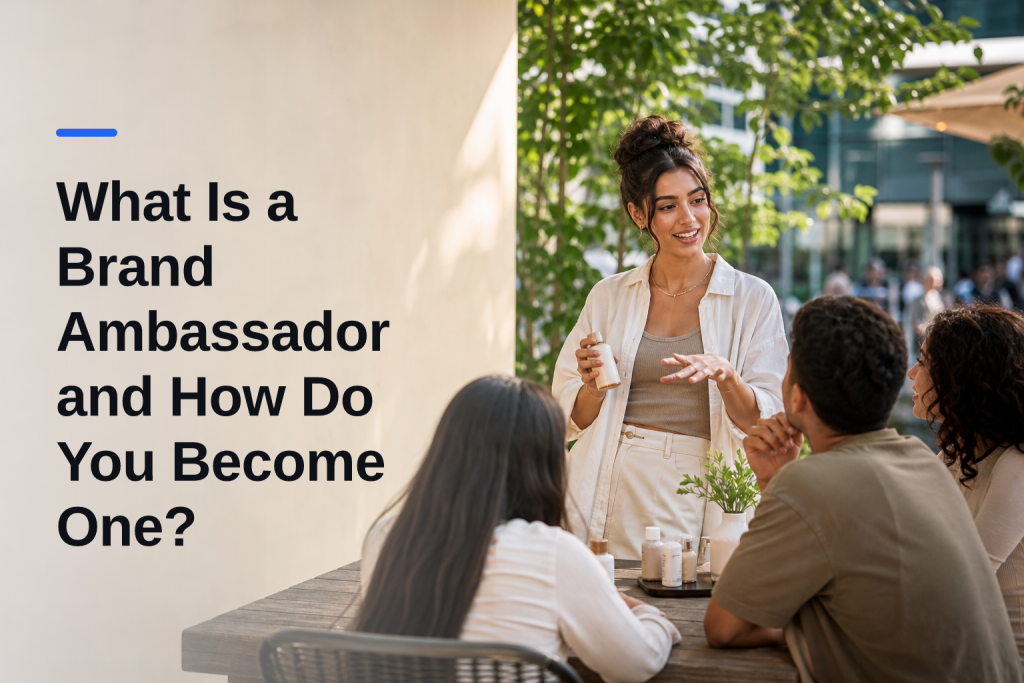
A brand ambassador is a long-term partner who uses your product, shares real experiences, and represents your values across channels. Brand ambassador do you become one or hire one in 2026? Here’s the short answer: choose relationships over reach. Ambassadors aren’t a one-off post. They show up again and again, build trust, and move people from curious to loyal.
For you, that means two paths. If you’re a creator, you build a niche, disclose clearly, and pitch brands with proof. If you’re a brand, you define your ideal partner, start small, track results, and keep great partners for the long haul. As you’ll see, it’s straightforward, but it works only if it’s real.
By the way, 50,000+ brands and creators already work this way and see measured impact. In 2026, that consistency beats any single “viral” spike. Let’s make the idea practical and clear.
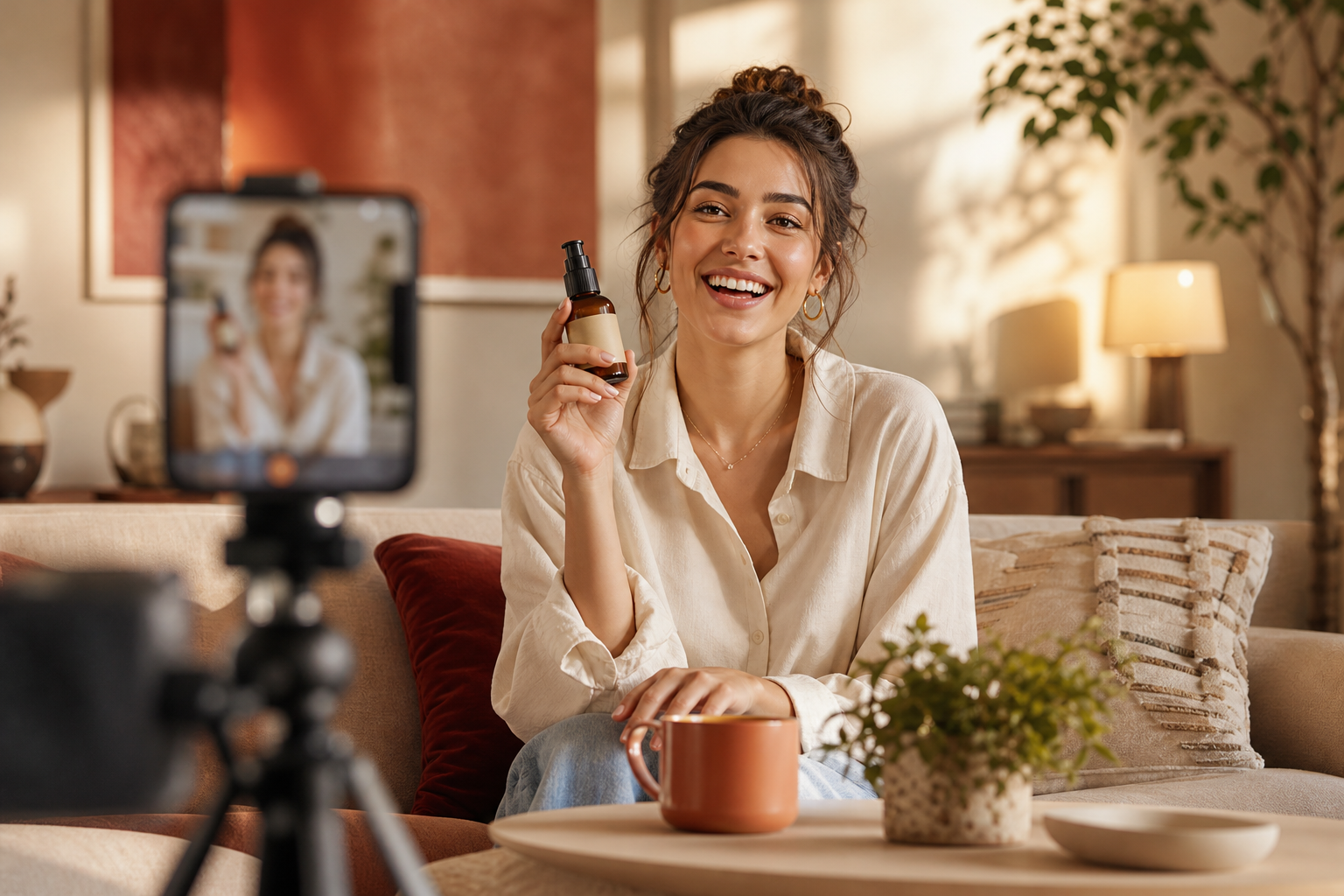
What Is a Brand Ambassador? The Role Explained Simply
Think of an ambassador as a trusted regular, not a guest star. They don’t just post once; they build a pattern. They use the product, show how it fits their life, answer questions, and keep showing up. Over time, their community connects your brand with that person’s values, voice, and lived use.
Here’s the key difference from a spokesperson. A spokesperson reads the script for a campaign or ad. An ambassador writes the script with you through daily life.
One is a broadcast; the other is an ongoing story. Moreover, a spokesperson may or may not use the product after the shoot. An ambassador should, and their content should show it.
Compensation
Paid vs. unpaid? Both exist.
Cash, commission, product, travel, or early access can be part of the deal. Unpaid roles show up in grassroots communities, think superfans who love a brand and share it freely. However, in 2026, clear value exchange is common and fair, and you should expect at least product or access even for small programs.
Formality and Disclosures
Formal vs. informal matters too. Formal programs include written agreements, briefs, content approvals, and clear rules on disclosures.
Informal setups can start with a DM and free product. However, even light programs need transparency. The FTC Endorsement Guides spell out how to disclose paid or gifted content so audiences aren’t misled.
As you think about the role, brand ambassador do you picture someone who looks and sounds like your ideal customer? That’s a good filter. If the fit feels forced, both results and trust fade.
Long-Term, Not One-Off
- Ambassadors build recognition through repeat moments, not a single splash.
- They share lived use: routines, results, and replies to comments.
- They align with your values and audience, not just your visuals.
The 5 Types of Brand Ambassadors (and How Each One Works)
Ambassador programs aren’t one-size-fits-all. You’ll see five common types, each with a clear fit and upside.
First, employee ambassadors. These are your own people, retail staff, support reps, engineers, who talk about the work from the inside. For example, Microsoft engineers who speak at Build and post behind-the-scenes tips act as natural advocates. The upside is deep product knowledge and credibility. The watch-out is training on disclosures and brand safety.
Second, celebrity ambassadors. Think George Clooney with Nespresso or Serena Williams with fashion and wellness projects. Celebrities add reach and instant recognition. In return, you invest at a higher level and set strict guardrails. They can anchor a brand story for years if the values fit.
Creator, Customer, Student
Third, creator/influencer ambassadors. These are niche experts and storytellers who turn use into content week after week. Patagonia’s athlete partners and Gymshark’s creator team show how expert alignment plus steady posting can shape a brand’s culture. The best work feels like their normal feed, not a billboard.
Fourth, customer or loyalty ambassadors. These are power users who enroll in a program and get perks, early drops, referral codes, or a peek at the roadmap. Glossier’s early growth leaned on real customers who loved and wore the products every day. This lane works because it’s peer-to-peer trust at scale.
Fifth, student or campus ambassadors. Red Bull’s campus crews are the classic example: they host events, fuel clubs, and seed content across student life. The model fits brands tied to lifestyle, sports, tech, or food where word spreads fast in community hubs.
Brand ambassador do you choose if you want trial and UGC? Customer ambassadors. If you want clear lift in awareness, creators or celebrities may be better. If you need product depth, employee voices shine.
- Where each type fits best:
- Employee: complex products, B2B, or support-led brands
- Celebrity: awareness spikes and brand halo
- Creator: steady reach, education, and culture
- Customer: referrals, reviews, and authentic UGC
- Student: local events, sampling, and trend adoption
Brand Ambassador vs. Influencer: What's Actually Different?
If you’ve mixed these up, you’re not alone. An influencer can be an ambassador, but not every influencer deal is an ambassador deal. The core split is time, depth, and exclusivity.
An ambassador relationship runs months or years. It taps shared values and lived use. You’ll see recurring posts, event cameos, and product feedback loops. An influencer campaign, by contrast, may be one or two posts to hit a launch window. It’s about fast reach, not long-term recall.
Brand ambassador do you expect exclusivity? Frequently, yes, at least within a product category. Influencer campaigns are usually non-exclusive.
| Aspect | Ambassador | Influencer (Campaign) |
|---|---|---|
| Timeframe | Long-term (6+ months) | Short-term (1–4 posts) |
| Alignment | Deep values + product use | Topical fit and audience |
| Content | Ongoing series, community replies | Launch-focused, limited |
| Exclusivity | Often category-exclusive | Rarely exclusive |
| Feedback loop | Product input + testing | Light feedback, brief-based |

Also Read!
Common Mistakes Brands and Ambassadors Make
Even smart teams slip on the basics. You can avoid most issues with clear goals, the right partner, and simple tools.
Fit and Foundations
First, choosing by follower count alone. A million followers won’t fix weak fit. Check audience match, content quality, and comment health. For instance, two Creator-led brand pushes documented on platform case studies. Olay Skincare’s summer work at 1.02M views with an 84% approval rate, and a Burger King food creator run at 954k views and a 73% approval rate, show that content fit and creative brief clarity drive results more than follower totals.
Second, skipping clear expectations or contracts. Spell out timeline, usage rights, exclusivity, and disclosures. Moreover, built-in contracts, automated payouts, and tax form management help you avoid late payments and messy paperwork.
Scale and Consistency
Third, ignoring micro-ambassadors. A dozen small voices, each with tight community ties, can beat one big account. As a result, your risk drops and your learning speeds up.
Fourth, treating it like a one-off. If you stop after one post, you won’t see compounding trust. Plan for at least a quarter to build recall.
Fifth, not tracking performance or ROI. Real-time performance tracking and analytics give you readouts on sales, engagement, and brand lift so you can double down on what works.
- Quick fixes to stay on track:
- Define 1–3 primary goals (sales, signups, awareness).
- Set a simple content cadence (e.g., 2 posts + 4 stories per month).
- Use trackable links or codes for every partner.
- Review results monthly and renew top partners.
"Their honest reactions did more than any banner ever could. Engagement shot through the roof, and our Discord community doubled." — PlayForge
Tools and Resources for Running a Brand Ambassador Program
Good tools save hours and reduce risk. You don’t need a big stack, but you do need clarity on what each tool does.
- Ambassador management platforms: one option is Creators Ville, an AI-powered platform that connects brands with influencers. You can run campaigns with workflows, contracts, and approvals managed by the platform; track sales, engagement, and brand lift in one place; and rely on social proof—Trusted by 50,000+ brands and creators. Most users are Live within 24 hours, and signing up is completely free.
- CRM systems: keep partner details, notes, and deal stages in one record. This keeps outreach sane when you manage 20+ partners.
- Social listening tools: watch brand mentions, sentiment, and share-of-voice. You’ll spot rising creators before they peak.
- Asset hubs and review tools: store briefs, brand kits, and approved content. Fewer email chains, faster approvals.
Brand ambassador do you need to start big? Not at all. Start with a simple stack, then add tools as you expand.
"Experience one of its kind influencer marketing—connect with verified influencers, track real-time performance, and gain data-driven insights to build long-term, transparent relationships. No middlemen, no hidden fees." — Creators Ville user
**See pricing today →
How to Become a Brand Ambassador (or Hire One): What to Do Next
If you want to become an ambassador, here’s your plan. First, pick a clear niche where you can post and talk for years, not weeks. Second, show real use.
Before-and-after photos, routines, or side-by-side demos build proof. Third, pitch brands with a one-page media kit and 3 content ideas tied to their goals. Finally, disclose cleanly and on every platform.
If you’re a brand, define the human fit. Write a one-paragraph profile: values, audience, content style, and where they post. Then, start small, three creators, 90 days, a simple cadence.
Next, measure with trackable links and a monthly review. Renew the top partner or two and trim the rest. Over a year, you’ll build a bench rather than chase spikes.
Brand ambassador do you reach out to first? Choose the person who already shows love for your product. A warm DM beats a cold pitch.
Key Takeaways
- Ambassadors are long-term partners who use your product and tell real stories across 2026, not one-off posts.
- Choose fit over follower count; Olay at 1.02M views (84% approval) and Burger King at 954k (73% approval) highlight that creative quality wins.
- Contracts, clear briefs, and disclosures protect trust; the FTC Endorsement Guides explain the rules.
- Tools like Creators Ville offer AI matching, workflows, and analytics—Trusted by 50,000+ brands and creators, with most users Live within 24 hours.
- Start small, measure monthly, and renew what works to build compounding trust.
Next Steps This Week
Block one hour. If you’re a creator, polish your media kit, pick three brands you already use, and draft three content ideas each. If you’re a brand, write your ideal ambassador profile, shortlist five partners who already mention you, and set a 90-day pilot with clear goals and trackable links. Then, put your first review on the calendar.