


**Start free and go live fast →
If you manage growth in 2026, here’s the short answer: treat seeding like a performance channel, not a hope-and-pray expense. Product seeding and gifting campaigns can work at scale, but only if you fix matching, tracking, and rights up front.
You’ve likely sent boxes to creators who never posted. Or they posted, but the content lacked fit and fizzled. Worse, you had no way to trace which parcel turned into views, add-to-carts, or sales. As a result, finance called it “brand spend,” and your team moved on.
However, the fix isn’t to spray more product. It’s to align fit, terms, and tracking before the first shipment goes out. Moreover, tools and playbooks built for e-commerce now let you treat creator seeding like paid social: planned, measured, and repeatable.
For context, brands and creators at scale already prove that planned creator programs can drive real reach and quality. Trusted by 50,000+ brands and creators, today’s best-run product seeding and gifting campaigns show that speed and structure matter. In fact, most users are Live within 24 hours when the workflow is set before outreach. That pace lets you test themes in days, not quarters, which is what you need in 2026 to keep your CAC steady while ad prices swing.
Why E-Commerce Brands Struggle with Product Seeding at Scale
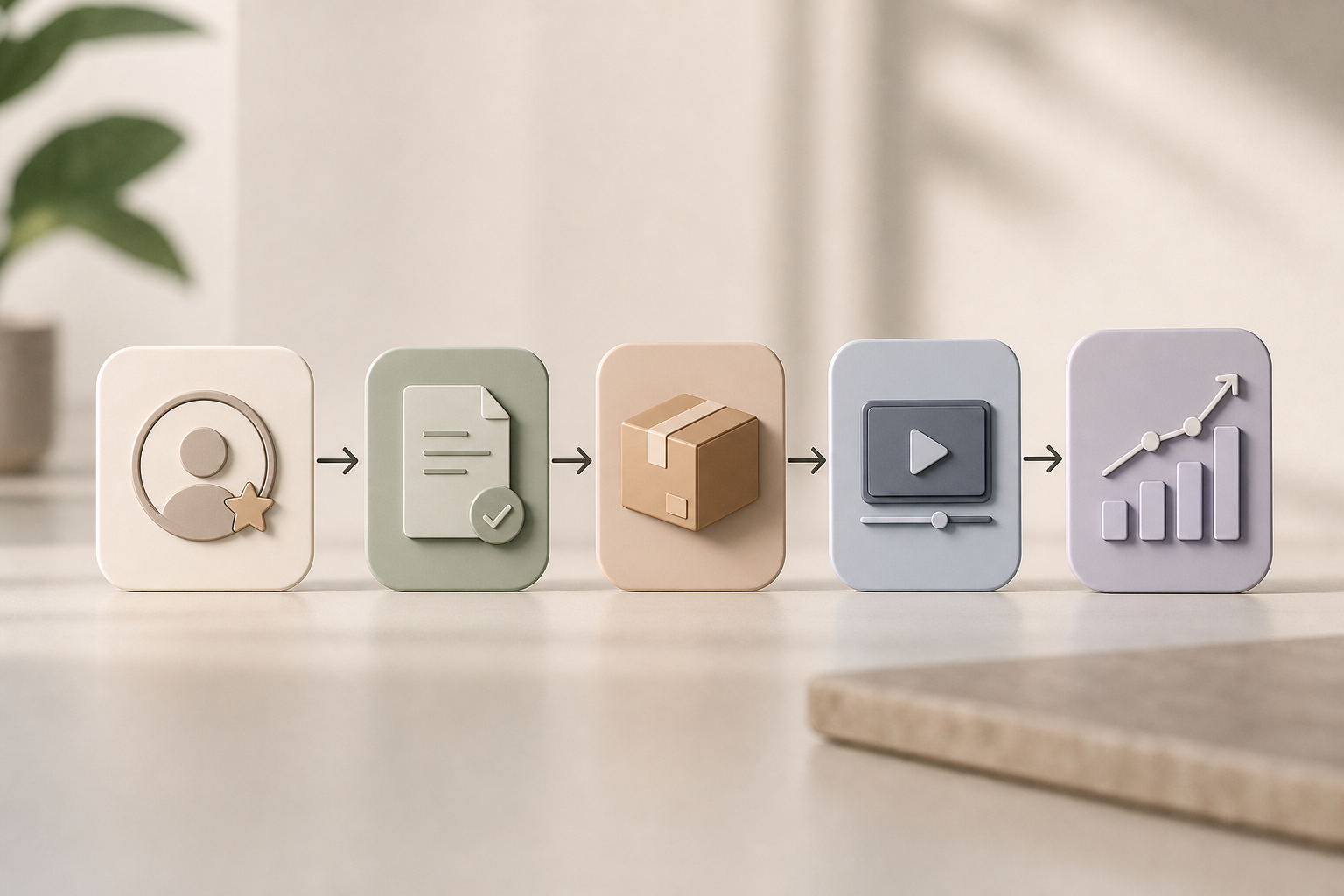
You’re not “bad at influencer.” You’re stuck in a manual process that doesn’t fit how you run ads, email, or SMS. First, outreach takes too long. You bounce between DMs, spreadsheets, and forms. Therefore, you burn hours that could go to creative testing or CRO.
Second, low-fit creators waste inventory and momentum. For example, a skincare serum sent to a travel vlogger might still post, but the audience won’t care. That mismatch kills the unit economics even if the content looks nice. In addition, your team spends more time chasing than learning.
Third, there’s no shared source of truth. You ship 60 parcels, then hope posts appear. However, without live tracking and clear attribution, your best bet is a “best guess” recap. That won’t pass a QBR. Meanwhile, leadership expects you to connect product costs to pipeline and payback.
Fourth, fulfillment is its own maze. Address errors, variant mismatches, and customs delays break trust and stall content. Moreover, every delay compounds. If a product arrives late, your schedule slips. Then your “new launch” content lands after the buzz.
Finally, rights and repurposing get lost. You spot a great Reel and want to run it as an ad or place it on a PDP. But you lack written rights, asset access, or a clean way to pay usage. As a result, UGC that could lift CTR and AOV sits idle.
The real bottlenecks
- Manual outreach that doesn’t scale past a few dozen creators
- Product fit guesswork that wastes inventory and time
- No live analytics or sales attribution for seeded units
- Shipping and returns pain that derails timelines
- Missing rights, so strong UGC can’t be reused for ads or PDPs
On the other hand, once you solve these five bottlenecks, product seeding and gifting campaigns turn from gamble to system. You gain fast tests, a steady content pipeline, and reliable proof you can share with finance.
What to Look for in a Product Seeding Platform
If you’ve wasted boxes on the wrong creators, your buying bar should be high for product seeding and gifting campaigns. Start with creator matching that uses real signals. For example, niche, region, and engagement patterns should inform who gets your product, not a follower count alone. In addition, audience quality and comment relevance beat vanity reach.
Next, templates matter more than you think. Specifically, ready-made seeding and micro-brief templates help you launch in hours, not weeks. Clear, repeatable prompts for unboxing, routine walkthroughs, or before/after stories lead to content you can compare and learn from.
Contracts and legal work need to be built in. However, they should feel light. You want terms that set disclosure, timing windows, and rights to reuse content across paid social and product pages. Therefore, look for click-to-accept agreements and stored records, plus tax form management to remove back-and-forth.
Fulfillment must connect to your workflow. Moreover, the tool should track what was sent, where it went, and when it landed. Address checks, size/variant notes, and shipment status cut no-shows and late posts. As a result, content goes live closer to your launch window.
Real-time analytics is non-negotiable. You should see content approvals, views, engagement, and sales attribution in one place. In addition, tags for creator, product, and brief type help you spot patterns fast. This is how you move from anecdotes to actual next steps.
Finally, rights and payouts should be simple. Built-in usage rights let you move winning clips into paid social with a few clicks. In fact, one of the cleanest gains from seeding is running UGC against your best audiences. Likewise, automated payouts for bonuses or allowlisting keep relationships smooth.
Non-negotiables for 2026 seeding
- AI creator matching that weighs niche, region, and audience quality
- Ready-made templates for fast, repeatable briefs for product seeding and gifting campaigns
- Built-in contracts, usage rights, and tax form handling
- Fulfillment tracking from ship date to delivery
- Real-time analytics with views, engagement, and sales
- Payout automation for bonuses and rights fees
For legal clarity on disclosures, align your terms with the FTC’s Endorsement Guides. That single step saves rework and protects brand trust.
Also Read!
How to Manage Influencer Campaigns with Contracts and Payouts for E-Commerce Brands
How to Run Influencer Product Seeding Campaigns for E-Commerce Brands
How Infliuence Solves Product Seeding for E-Commerce Brands
Infliuence was built for e-commerce and DTC teams that want product seeding and gifting campaigns to act like a performance channel. First, AI creator matching looks at niche, region, engagement rate, and audience demographics. Therefore, your shortlists tilt toward people who can actually use and explain your product authentically.
Second, you don’t start from a blank page. Ready-made templates for quick campaign launches include tight briefs for unboxings, “day-in-the-life” use, routines, and before/after arcs. As a result, you get content that maps to buyer questions and can be compared across creators.
Third, contracts live inside the workflow. Built-in contracts, automated payouts, and tax form management reduce manual steps to minutes. Moreover, clear rights language unlocks UGC for paid social, emails, and PDPs. You can run the best clips as ads and keep momentum going.
Fourth, real-time performance tracking and analytics replace guesswork. You see approvals, published links, views, engagement, and sales attribution in one dashboard. Therefore, you learn which angles move the needle. In addition, tags let you slice by product line, season, or hook.
Finally, Infliuence helps you use UGC for social campaigns with better engagement and higher ROI. Instead of a one-off post, you get a loop: send product, get content, run the winners as ads, then feed learnings back to the next wave.
“Our brand struggled to connect online until creators showed how our lamps lit up their cozy spaces. We sold out three collections in a row.” — GlowNest
“Beauty vloggers shared their 30-day routines with our serum. Their before-and-after journeys built the credibility we could never buy.” — PureLeaf Skin
Compared to alternatives, the difference is the end-to-end path. Unlike manual outreach and spreadsheets, Infliuence keeps your creators, briefs, shipments, and results in one place. And unlike generic influencer marketplaces, it’s purpose-built for brands that ship products, not just brands that book one-off shoutouts.
Moreover, Infliuence supports both paid collabs and seeding in the same system. As a result, you can start with product-only sends, then scale into guaranteed deliverables once you find the angles that convert.
**Get AI-matched creators in hours →
Infliuence vs. Other Product Seeding Approaches
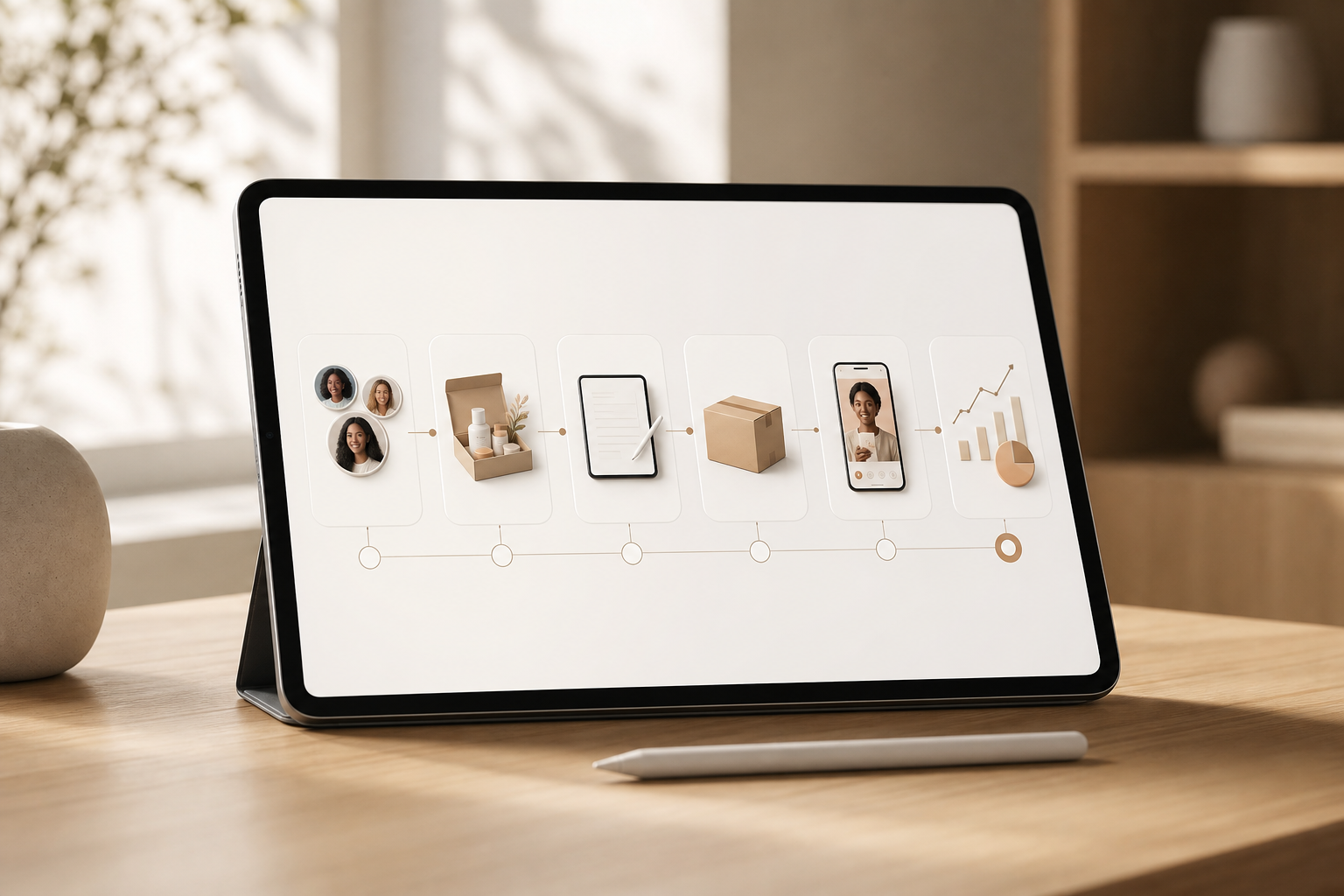
You have three real options: do it manually, join a generic marketplace, or run it on Infliuence. Manual outreach gives control, but it breaks at 20+ creators. You lose hours in DMs, copy/paste, and ad hoc tracking. Therefore, you can’t run weekly tests or prove impact beyond screenshots.
Generic marketplaces look easy, but they bias for quick posts over product fit, which hurts product seeding and gifting campaigns. For example, they focus on booking, not on e-commerce details like variants, shipping notes, or rights to run UGC in ads. As a result, great content goes unused because the contract is wrong or missing.
On Infliuence, most users are Live within 24 hours. That speed comes from ready-made templates, AI creator matching, and built-in contracts. Moreover, you track what ships and what sells in one view. Trusted by 50,000+ brands and creators, the community itself becomes an advantage: more relevant creators find you, faster.
“Instead of flat catalog shots, they styled the outfits in everyday looks. The content felt natural, and within weeks, our hashtag hit 2M+ impressions.” — VogueRise
“Sales spiked 40% in the first month, all through relatable reels.” — Pulse Energy
Side-by-side snapshot
- Manual outreach: high control, low speed, hard to prove ROI
- Generic marketplaces: quick bookings, weak rights/fulfillment, mixed fit
- Infliuence: AI matching, templates, contracts, analytics, and payouts in one flow

Trust, Credentials, and Proven Results
Credibility comes from repeatable results, not hype. Infliuence is trusted by 50,000+ brands and creators, which means your niche and region likely have ready matches for product seeding and gifting campaigns. Moreover, that network reach pairs with controls that matter to operators: contracts, payouts, analytics, and tax forms in one place.
Proof points from real launches help, too. The Olay Skincare Summer Campaign achieved 1.02M views and an 84% approval rate. The Burger King Food Creator Campaign achieved 954k views and a 73% approval rate. Therefore, you can point to scale and quality, not just single hits.
In addition, signing up is completely free. That lowers the risk to test your first batch and learn which hooks convert. Furthermore, the platform is built around e-commerce and DTC use cases, so details like variants, shipping notes, and UGC rights are standard, not add-ons.
Finally, speed matters in 2026. Most users are Live within 24 hours, which lets you test creative angles and products while your trend window is still open.
Also Read!
Infliuence vs Sprout Social for Restaurants: Which Is Better for Influencer Campaign Analytics?
How to Track Influencer Campaign Analytics for Your Restaurant
How to Launch Your First Product Seeding Campaign
You don’t need months. You need a tight loop. Here’s a simple plan you can run this week.
Step 1: Sign up and set goals
Signing up is completely free. Define a clear goal, like “10 creator posts that show daily use” or “five before/after clips for retargeting.” Moreover, pick a product with high review rates and low return risk.
Step 2: Use AI matching to shortlist
Search, filter, and connect with creators across niches, regions, and engagement levels. In addition, the AI weighs niche fit and audience quality. Therefore, you avoid the “wrong box, wrong crowd” problem that drains inventory.
Step 3: Pick a seeding template
Ready-made templates for quick campaign launches keep you out of blank-doc hell. Choose an unboxing brief or a 30-day routine arc. Moreover, set clear windows, disclosure lines, and usage rights in the built-in contract.
Step 4: Ship with notes and track
Add size/variant notes and delivery tips before you ship. Then watch real-time delivery and content status in your dashboard. As a result, you can nudge when needed and keep your launch week tight. Most users are Live within 24 hours once they click “go.
Step 5: Approve, attribute, and repurpose
Approve posts, tag winners, and track sales. In addition, move top clips into paid social and PDPs per your rights. That reuse can lift click-through and time on page without new shoots.
**Try your first free seeding run →


Frequently Asked Questions
How much does influencer product seeding cost on Infliuence?
Signing up is completely free. Your main cost is the product itself, plus shipping. In addition, the platform handles contracts, payouts, and tax forms, which removes agency fees. Paid tiers exist for advanced analytics and larger teams, so you can start small and scale later.
What’s the difference between product seeding and paid influencer campaigns?
Product seeding and gifting campaigns send free products in exchange for honest content, with no guaranteed post obligation. Paid campaigns include fixed deliverables, such as a set number of posts or videos on a set date. Infliuence supports both styles on one platform, so you can start lean and add guarantees after you see fit and results. That mix keeps risk low while you learn.
How does AI creator matching work for product seeding?
Infliuence’s AI analyzes niche, region, engagement rate, and audience demographics to suggest high-fit creators. Therefore, your shortlist tilts toward people who can use, talk about, and convert with your product. As a result, you waste less inventory and gain clearer reads on what angles work.
Can I track ROI from product seeding campaigns?
Yes. You can view real-time performance that covers views, engagement, and sales attribution in one dashboard. For example, Olay’s skincare campaign hit 1.02M views with an 84% approval rate, which shows that scaled seeding can pair reach with quality. Moreover, tagged briefs help you see which hooks and formats sell.
How long does it take to launch a product seeding campaign?
Most brands go live within 24 hours using ready-made seeding templates. Because contracts and workflows live inside the platform, setup is minimal compared to manual outreach. In addition, AI shortlists mean you contact the right people first, which speeds up approvals. That speed helps you hit seasonality and trend windows in 2026.
Do I own the UGC created from product seeding?
Content rights depend on your campaign terms. Infliuence’s built-in contract management lets you set usage rights upfront, including paid social and PDP use. Therefore, once content wins, you can repurpose it with confidence. For legal disclosures, align with the FTC Endorsement Guides (see the Federal Trade Commission) to keep posts compliant.
What alternatives to Infliuence exist for product seeding?
You can run manual outreach via spreadsheets or try generic marketplaces. However, those routes usually miss key needs for e-commerce, like accurate creator matching, built-in legal and payouts, and clean rights for repurposing UGC. Infliuence differentiates with AI matching, automated legal/payout handling, and a 50K+ creator network purpose-built for brands that ship product.
Is product seeding effective for small e-commerce brands?
Yes. Seeding is one of the lowest-cost influencer plays, since you invest product cost instead of large fees. Brands like GlowNest sold out three collections on creator-driven content without big ad budgets. Moreover, rights to reuse those wins as ads and on PDPs can stretch each clip’s value far beyond the first post.
Final Takeaways
- Fit beats volume. Tight matching, clear briefs, and rights turn creator sends into repeatable wins you can show in a QBR.
- Measurement wins trust. Real-time tracking and sales attribution move seeding from “brand cost” to “channel with payback,” which is what 2026 demands.
- Reuse drives ROI. UGC that earns clicks in-feed can also lift PDPs and retargeting when rights are set on day one.
**Get matched and measure results →
For a primer on the practice at large, see the background on Influencer marketing. Then set the terms once, move fast, and let your product speak through people your buyers trust.