



Most brands don’t lose influencer campaigns on strategy. They lose them the moment they pick the wrong creator. If you’re trying to find influencers who actually move your audience, the search itself is rarely the hard part. Choosing well is.
Quick answer: You can find influencers through social media searches, hashtags, Google, competitor research, influencer marketplaces, creator communities, YouTube, LinkedIn, and dedicated discovery platforms. The right method depends on your industry, your budget, and what the campaign is meant to achieve.
This guide walks through ten proven discovery methods, how to tell influencer types apart, a step-by-step process to find influencers for your brand, and the mistakes that quietly waste marketing budgets every year.
Why Finding the Right Influencer Matters More Than Finding the Biggest One
A creator with two million followers and a creator with twenty thousand can produce wildly different results. Reach gets attention. Relevance gets sales.
Engagement tells you more than follower count ever will. An audience that comments, saves, and shares trusts the creator’s opinion. That trust transfers to your product, at least partially, when the recommendation feels genuine.
Audience overlap matters too. A fitness influencer with loyal followers who happen to be teenagers won’t convert well for a supplement brand targeting adults over thirty. Fit beats fame almost every time, which is exactly why the process to find influencers should start with your audience, not a follower count.
Where Can You Find Influencers? 10 Proven Methods That Actually Work
Search Social Media Platforms Directly
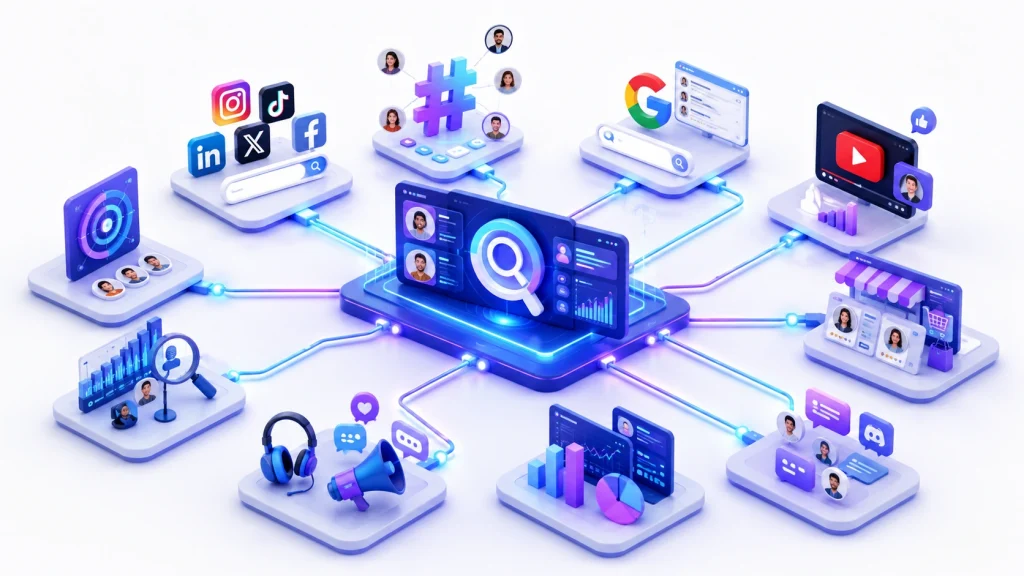
Instagram, TikTok, LinkedIn, X, and Facebook all have native search tools that most people underuse. Search your product category, your city, or your industry term and scroll past the first page.
TikTok’s search often surfaces smaller creators with unusually high engagement. LinkedIn works well for B2B brands hunting for niche industry voices rather than lifestyle personalities.
Use Hashtags to Discover Niche Creators
Branded hashtags reveal people already talking about products like yours. Industry hashtags widen the net. Community hashtags, the smaller, less obvious ones, often lead to creators that competitors haven’t approached yet.
Find Influencers Through Competitor Research
Check who tags your competitors, who shows up in their sponsored posts, and who mentions their brand organically. If a creator already understands your category, the learning curve for your campaign shrinks considerably.
Google Search Still Works Surprisingly Well
Searching “best skincare influencers” or “top SaaS creators” turns up roundup articles, industry blogs, and rankings that took someone else hours to compile. Borrow that research instead of starting from zero.
Explore YouTube Creators
If your product benefits from demonstration, tutorials, or in-depth review, you’ll want to find YouTube influencers specifically. Look at product comparison channels, educational creators, and reviewers within your niche. YouTube audiences tend to watch longer and trust recommendations more deeply than scroll-based platforms.
Join Creator Communities
Facebook Groups, LinkedIn communities, Reddit threads, and Discord servers built around content creation are full of creators actively looking for brand partnerships. These spaces skip the algorithm entirely.
Use Influencer Discovery Platforms
Dedicated platforms filter by audience demographics, engagement rate, location, and niche in seconds. They save time, though they usually come with a subscription cost that smaller brands need to weigh against manual search.
Check Podcast Guests and Industry Speakers
This one gets overlooked constantly. Podcast guests and conference speakers already have credibility in your space, even if their social following looks modest.
Look at Your Existing Customers
Some of the most authentic creators are already buying from you. Customers who post genuine reviews or tag your brand voluntarily often outperform paid influencers because their enthusiasm isn’t manufactured.
Monitor Brand Mentions
Set up alerts for your brand name and product terms. Repeat mentioners and consistent advocates are prime candidates for a formal partnership.
Read More!
Best Influencer CRM for E-Commerce Brands in 2026
Best Influencer Product Seeding for E-Commerce Brands in 2026
Which Type of Influencer Should You Choose?
| Type | Followers | Typical Engagement | Best For |
| Nano | 1K–10K | Very high | Local or hyper-niche brands |
| Micro | 10K–100K | High | Most small to mid-size businesses |
| Macro | 100K–1M | Moderate | Established brands scaling reach |
| Mega | 1M+ | Lower | National awareness campaigns |
Budget tends to guide this decision more than anything else. If you want to find micro influencers on a limited spend, expect lower cost per post and noticeably higher engagement than celebrity-tier accounts.
How to Find Influencers for Your Brand, Step by Step
Define campaign goals. Awareness, conversions, and community building each call for a different type of creator.
Know your audience. Age, location, interests, and platform habits should shape every search you run afterward.
Choose the right platform. Video-first products lean toward YouTube or TikTok. Visual products often do better on Instagram.
Build evaluation criteria. Decide in advance what “good fit” means before you start browsing profiles, not after.
Shortlist creators. Aim for ten to fifteen strong candidates rather than a single top pick.
Reach out professionally. A personalized message referencing their actual content outperforms a generic pitch every time.
How to Evaluate an Influencer Before You Contact Them
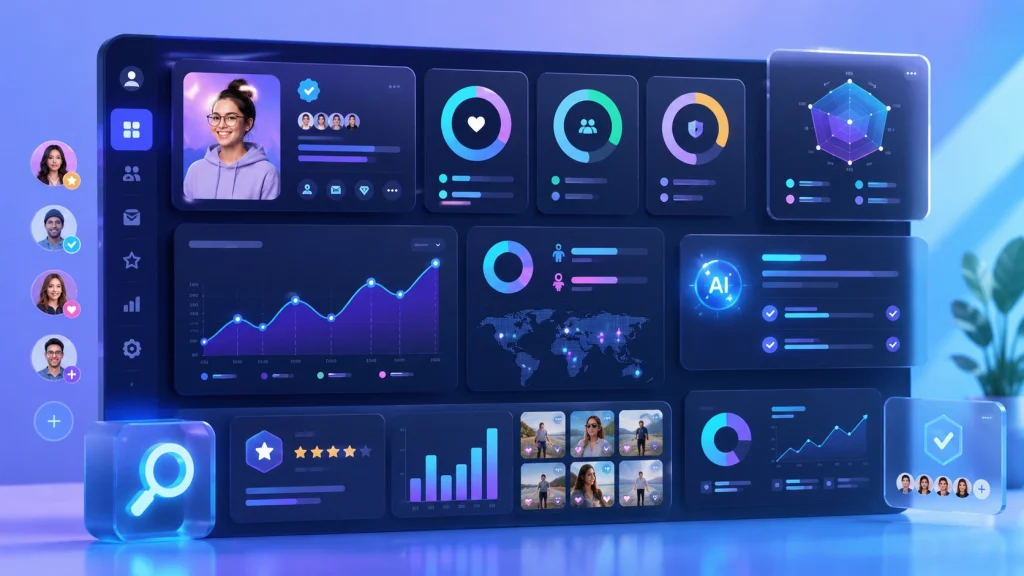
- Audience relevance to your target customer
- Engagement rate compared to follower count
- Content quality and consistency
- Signs of authenticity, not just polish
- Alignment with your brand’s tone and values
- History of past brand partnerships
- Posting consistency over the last three months
Common Mistakes Businesses Make When Finding Influencers
Most brands rush to find influencers before they’ve defined what success actually looks like. Choosing by follower count alone is the most expensive mistake on this list. A large audience means nothing if it doesn’t overlap with your customers.
Other frequent errors include skipping fake follower checks, sending identical pitches to dozens of creators, prioritizing low cost over relevance, and launching outreach without a clear campaign objective.
How Creators Ville Makes Influencer Discovery Simpler
Manual influencer research can take hours, especially when you’re comparing creators across multiple platforms. Creators Ville simplifies the process by helping you discover, manage, and measure influencer campaigns from a single dashboard.
Key Features of Creators Ville
- AI-Powered Creator Discovery – Find influencers that match your niche, target audience, and campaign goals.
- Advanced Search & Filters – Filter creators by niche, region, and engagement to quickly build a relevant shortlist.
- Campaign Management – Create, organize, and manage influencer collaborations from one centralized platform.
- Real-Time Performance Analytics – Track campaign reach, engagement, conversions, and ROI with live insights.
- Pay-for-Performance Model – Pay creators based on the views they generate, giving you transparent and measurable campaign results.
Whether you’re launching your first campaign or scaling influencer marketing, Creators Ville helps you find the right creators and manage every collaboration more efficiently.
Advanced Insight: Why Smaller Influencers Are Winning More Campaigns in 2026
Audiences are growing skeptical of polished, obviously sponsored content. Smaller creators tend to sound like a friend giving advice rather than a billboard, and that shift in tone is driving stronger conversion rates.
Community trust builds slowly, but it compounds. Brands that invest in long-term relationships with smaller creators, rather than one-off posts, often see better results over a year than those chasing a single viral moment. It’s one more reason to find influencers who fit your niche closely, even if their audience is small.
Conclusion
There’s no single best place to find influencers. The strongest results usually come from combining a few methods: social search, competitor research, and one discovery platform for scale.
Prioritize quality over popularity every time you shortlist a creator. Successful influencer marketing starts with choosing the right person, not simply the one with the biggest following.
Frequently Asked Questions
Where can I find influencers for free?
Social media search, hashtags, and your own customer base cost nothing beyond time.
How do brands usually find influencers?
Most combine manual social search with at least one discovery platform for scale.
What is the easiest way to find niche influencers?
Hashtag research paired with competitor tagging usually surfaces niche creators fastest.
How do I know if an influencer has fake followers?
Check for engagement that’s unusually low relative to follower count, and look for repetitive or bot-like comments.
Are micro-influencers better than celebrity influencers?
They’re not universally better, but they typically deliver higher engagement per dollar spent.
Which social platform is best for influencer marketing?
It depends on your product; video-heavy products favor YouTube and TikTok, visual products favor Instagram.
How much does influencer marketing usually cost?
Costs vary widely by influencer tier, from a few hundred dollars for nano creators to tens of thousands for macro accounts.
Should I use influencer discovery software?
It’s worth it once you’re managing multiple campaigns or need audience data that manual search can’t provide.