

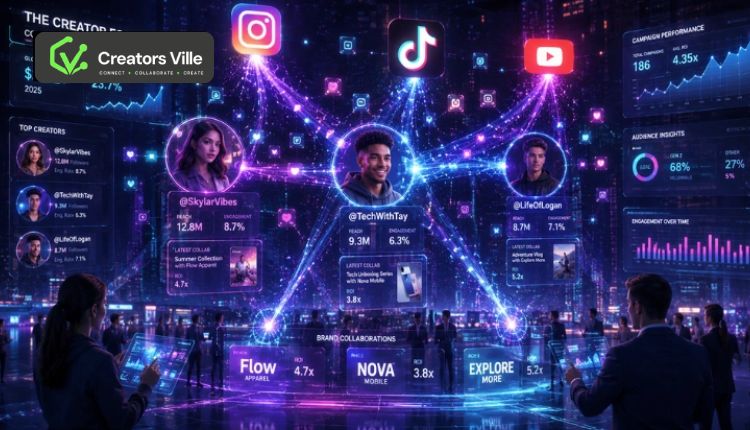
Consumers today are tuning out banner ads and skipping pre-roll videos faster than ever. What are they paying attention to? The creators they follow, trust, and come back to every day. That shift is exactly why influencer collaboration has moved from a “nice to have” to a core part of modern marketing.
But not all influencer campaigns deliver results. Some brands spend big on a single sponsored post and walk away with little to show for it. Others build smart, data-backed programs and see real growth in both engagement and sales.
In this guide, we’ll walk you through seven practical strategies that actually work, whether you’re running your first campaign or looking to level up an existing program.
Why Influencer Collaboration Matters in 2026
The creator economy has grown significantly over the past few years, and it shows no sign of slowing down. Millions of creators now earn a living producing content across Instagram, TikTok, YouTube, and beyond.
What makes this relevant for brands? Trust. Audiences tend to trust creators far more than traditional brand advertising. When a creator recommends a product, it feels like advice from a friend, not a sales pitch. That emotional connection translates directly into higher engagement rates and, ultimately, better conversions.
There’s also a measurability advantage. Modern campaigns can be tracked in real time, clicks, saves, conversions, cost per acquisition, giving brands data they could never get from a TV spot or billboard.
Perhaps most importantly, micro and niche influencers (those with smaller but highly engaged followings) consistently outperform mega-celebrities when it comes to audience trust and interaction rates. The size of the following no longer guarantees results. Relevance does.
Why Influencer Collaboration Matters More Than Ever
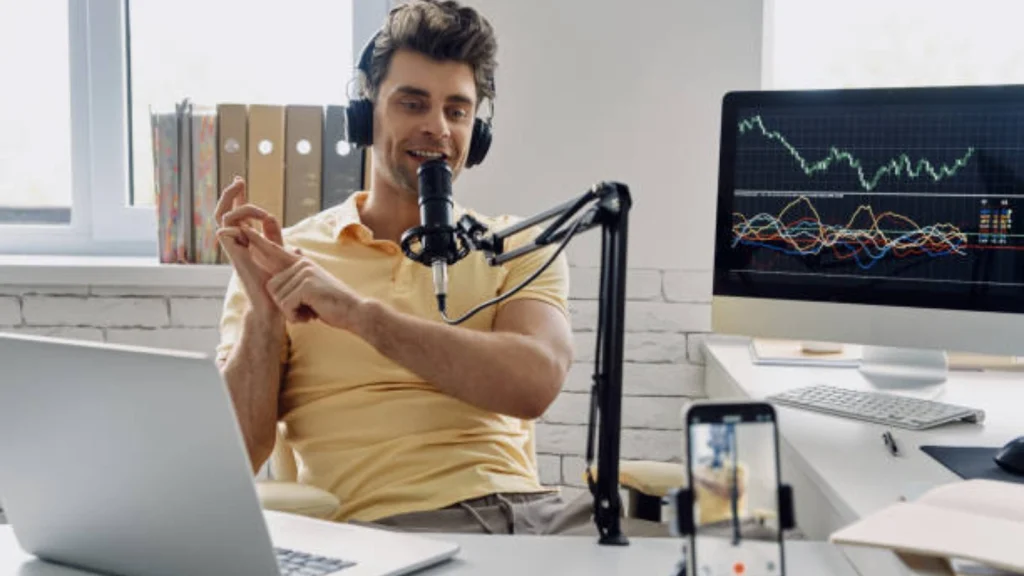
Traditional ads are no longer enough to capture the audience’s attention. Consumers now trust creators more than direct brand promotions, making influencer collaboration one of the most effective ways to increase engagement and build credibility online.
A successful influencer collaboration helps brands reach niche communities, create authentic content, and drive better results across social media platforms. With the rise of AI-powered tools and creator-focused marketing, influencer collaboration has become a core strategy for brands that want long-term growth and stronger audience connections.
1. Partner With Micro Influencers for Authentic Engagement
Why Micro Influencers Perform Better
Micro-influencers, typically those with between 10,000 and 100,000 followers, tend to have closer relationships with their audiences than larger accounts. Their followers feel like they actually know the creator, which makes product recommendations feel genuine rather than transactional.
Studies consistently show that as follower counts rise, engagement rates often drop. A micro-influencer with 30,000 followers in a specific niche can deliver better results than a celebrity with 3 million followers and a diluted, disengaged audience.
Niche Communities Drive Higher Trust
When a creator’s content is tightly focused, whether that’s sustainable fashion, home brewing, or budget travel, their audience self-selects around a shared interest. That makes it much easier for brands to reach people who are already primed to care about what they’re selling.
Best Platforms for Micro-Influencer Campaigns
Instagram and TikTok remain strong for micro-influencer work, particularly in lifestyle, beauty, food, and fitness categories. YouTube works well for longer-form reviews and tutorials. For B2B brands, LinkedIn creators are an underused but highly effective channel.
2. Use an Influencer Marketing Platform to Streamline Campaigns
Running influencer campaigns manually, searching hashtags, sending cold DMs, and tracking results in spreadsheets is time-consuming and difficult to scale. A dedicated influencer marketing platform changes that entirely.
Creator Discovery
Modern platforms let you filter creators by niche, audience demographics, engagement rate, location, and more. Instead of hours of manual research, you can surface the right creators in minutes.
Campaign Automation
From sending outreach emails to managing content approvals and tracking deliverables, platforms automate the repetitive parts of campaign management. That frees your team to focus on strategy and creative direction.
Analytics and Reporting
Good platforms give you a live view of how each creator is performing impressions, reach, engagement, click-throughs, and conversions. That real-time visibility makes it easy to optimize campaigns mid-flight.
AI-Based Influencer Matching
The newest generation of platforms uses AI to match brands with creators based on audience quality, not just follower count. These tools can flag fake followers, analyze audience authenticity, and predict how well a creator’s audience aligns with your target customer.
3. Focus on Long-Term Influencer Relationships Instead of One-Off Promotions
One of the most common mistakes brands make is treating influencer collaboration as a transaction: one post, one payment, done. That approach misses the real opportunity.
When a creator promotes your brand once, their audience notices. When they do it repeatedly over months, their audience starts to believe it. Repeated, genuine-feeling endorsements build credibility in a way that a single sponsored post simply can’t.
Long-term partnerships also give creators time to truly understand your product and brand voice, which shows in the content they produce. The result is more authentic, more persuasive, and more effective than anything scripted.
Ambassador programs, where a small number of creators are given an ongoing relationship with the brand, are one of the most effective formats for this. Offer exclusivity, early product access, and fair compensation, and you’ll build a group of advocates who genuinely care about your brand’s success.
4. Prioritize Short-Form Video Content
Instagram Reels
Reels continue to receive outsized distribution on Instagram. The algorithm actively promotes short-form video to non-followers, giving your brand organic reach beyond the creator’s existing audience.
TikTok Collaborations
TikTok’s discovery engine is unlike any other platform content can go viral regardless of follower count. Collaborating with creators who understand TikTok’s culture and trends gives your brand a shot at reaching millions of new potential customers.
YouTube Shorts
YouTube Shorts is growing fast and benefits from the platform’s search engine strength. A creator’s short-form video can surface in search results for months, making it a longer-lasting content investment than a feed post.
Across all three platforms, short-form video consistently drives higher engagement than static images. Audiences watch, share, comment, and save video content at much higher rates — and the algorithms reward that behavior with more reach.
5. Let Influencers Create Authentic UGC Content
One of the biggest mistakes brands make is handing creators a rigid script and expecting magic. Audiences can immediately tell when content feels forced, and it kills engagement.
User-generated content (UGC) created by real people in their own voice and style is one of the most trusted forms of marketing. When you give creators the freedom to present your product in a way that feels natural to them, the result is content that actually resonates.
That doesn’t mean abandoning brand guidelines entirely. You can still communicate key messages, required disclosures, and product features. But the delivery should belong to the creator. Let them choose the setting, the tone, and the format.
Brands that embrace this approach often find they end up with higher-quality content than anything produced in-house and at a fraction of the cost.
6. Improve Influencer Management With Data and AI
Gut instinct isn’t a reliable way to run influencer campaigns. Data is.
Engagement Tracking
Track engagement rate not just likes, but saves, shares, comments, and link clicks. These signals tell you which creators are driving real interest, not just passive scrolling.
Audience Quality Analysis
Not all followers are equal. A large following padded with bot accounts or disengaged users won’t deliver results. Influencer management tools can analyze the quality of a creator’s audience, checking for authentic, active followers who actually care about the content.
Fraud Detection
Fake followers and inflated engagement metrics are still a real problem in the industry. AI-powered tools can detect suspicious patterns, sudden follower spikes, comment pods, and unusually high like-to-view ratios before you commit budget to the wrong creator.
Campaign ROI Measurement
Beyond individual post metrics, good data tools let you tie influencer campaigns to actual business outcomes: website traffic, sign-ups, purchases. That makes it much easier to justify spending and improve future campaigns.
7. Work With an Influencer Marketing Agency for Faster Growth
Building an in-house influencer program takes time, tools, and expertise. For brands that want to move quickly, partnering with an influencer marketing agency can be a smart shortcut.
Agencies bring established creator networks, proven campaign frameworks, and experienced teams who’ve already made the mistakes you’d otherwise have to make yourself.
Here’s a quick comparison:
| In-House Campaigns | Influencer Marketing Agency |
| Manual outreach | Existing creator networks |
| Slower execution | Faster campaign launch |
| Limited analytics | Advanced reporting |
| Smaller reach | Scalable campaigns |
The trade-off is cost and control. Agencies charge for their services, and you may have less direct oversight of day-to-day decisions. For brands with limited bandwidth or those entering influencer marketing for the first time, the speed and expertise an agency provides are often worth it.
Common Influencer Collaboration Mistakes Brands Should Avoid
Even experienced marketers fall into these traps:
Choosing influencers based on follower count alone. Reach means nothing without engagement. Always look at engagement rates and audience quality before signing a deal.
Writing poor campaign briefs. Vague instructions lead to vague content. A good brief covers the key message, required disclosures, product features to highlight, and any specific formats or deadlines.
Skipping engagement tracking. If you’re not measuring results, you can’t improve. Track performance for every campaign, even small ones.
Ignoring audience research. A creator’s audience needs to overlap with your target customer. A beautiful food blogger is a poor fit for a B2B software brand, no matter how big their following.
Defaulting to one-off campaigns. As covered above, long-term relationships consistently outperform single posts. If a creator drives good results, invest in the relationship.
How AI Is Transforming Influencer Marketing
Artificial intelligence is quietly reshaping how brands discover, vet, and work with creators.
Discovery tools now use machine learning to surface relevant creators based on content themes, audience characteristics, and historical performance, cutting research time from days to minutes. Predictive analytics can estimate how well a creator will perform for a specific campaign before you spend a dollar. Automated outreach tools personalize messages at scale, improving response rates without requiring a large team.
Social listening features track brand mentions and relevant conversations across platforms, helping brands spot emerging creators before they become expensive. And creator scoring systems give every influencer a data-driven performance rating, making it easier to compare and prioritize candidates.
The brands using AI in their influencer programs are gaining a real competitive edge — not because the technology is magic, but because it removes guesswork and surfaces better information faster.
Why Brands Use Creators Ville for Influencer Collaboration
Creators Ville is built specifically for brands that want to take a smarter, more data-driven approach to influencer marketing.
The platform combines AI-powered creator discovery with full campaign management, influencer CRM, and a robust analytics dashboard all in one place. Instead of juggling spreadsheets, email chains, and separate analytics tools, teams can manage every part of the influencer process from a single interface.
Key features include:
- AI-driven influencer discovery and scoring
- Audience quality and authenticity analysis
- Automated outreach and contract management
- Real-time campaign performance tracking
- Creator relationship management tools
For brands looking to scale their influencer programs without scaling their team, Creators Ville offers the infrastructure to do it efficiently.
Conclusion
Influencer marketing isn’t a shortcut; it’s a long game. The brands that win are the ones that build genuine relationships with the right creators, give them creative freedom, measure results carefully, and keep iterating.
The seven strategies in this guide, from partnering with micro-influencers to leveraging AI-powered tools, work best when they’re combined into a coherent, ongoing program rather than a series of one-off experiments.
Authenticity, data, and long-term thinking are the foundation. Everything else builds on top of that.
Ready to run smarter influencer campaigns? Explore Creators Ville to discover how AI-powered influencer collaboration can help your brand find the right creators, manage campaigns at scale, and deliver real, measurable results.
Frequently Asked Questions
What is influencer collaboration?
Influencer collaboration is a marketing strategy where brands partner with content creators to promote products or services to the creators’ audiences. It can take many forms, such as sponsored posts, product reviews, ambassador programs, co-created content, and more.
How does influencer collaboration increase engagement?
Creators have built genuine relationships with their audiences. When they recommend something, it carries more weight than a traditional ad. That trust translates into higher engagement rates, more comments, shares, saves, and clicks compared to brand-owned content.
What is the best influencer marketing platform?
The best platform depends on your goals, budget, and team size. Look for tools that offer AI-powered creator discovery, audience quality analysis, campaign tracking, and CRM features. Influence is a strong option for brands looking for an all-in-one solution.
How do brands manage influencer campaigns?
Brands manage campaigns by defining goals, sourcing the right creators, briefing them clearly, tracking content and deliverables, and measuring performance. Influencer management platforms automate much of this process.
Should businesses hire an influencer marketing agency?
It depends on your internal capacity and budget. Agencies are a good fit for brands that want faster results without building an in-house team. For brands with existing resources and a longer time horizon, building in-house expertise can be more cost-effective.
How do you measure influencer marketing ROI?
Key metrics include engagement rate, reach, click-through rate, conversion rate, and cost per acquisition. The most important thing is tying campaign activity to real business outcomes website traffic, leads, or sales.