


Most brands have paid an influencer a flat fee instead of pay per view, seen mediocre results, and blamed the influencer. The problem wasn’t the creator. It was the contract structure.
Flat-rate influencer deals create a fundamental misalignment: the creator gets paid the same whether the content reaches ten thousand people or a million. There’s no financial reason for them to push harder, iterate on formats, or care about your conversion funnel. You’re buying effort, not outcomes, and effort is the worst possible thing to pay for in marketing.
This isn’t a niche gripe. According to Influencer Marketing Hub’s 2025 report, 78% of brands now prioritize performance-based payment models over flat-rate agreements, up from just 52% in 2023. That’s a significant shift in two years, and it’s not driven by fashion; it’s driven by brands getting burned one too many times.
The Hidden Cost Nobody Calculates
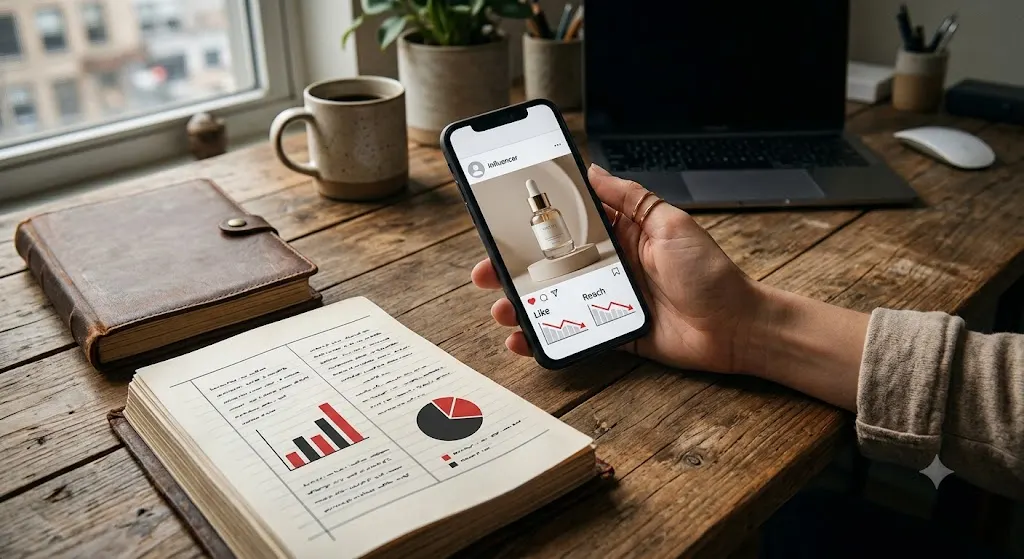
When a flat-fee post underperforms, most brand managers log it as a “learning” and move on. What they don’t calculate is the opportunity cost: the views that never happened, the audience that never discovered the product, the ROI that never materialized. Multiplied across a ten-creator campaign, a string of underperforming flat deals doesn’t just miss targets; it can quietly kill the entire influencer channel’s credibility with your CFO.
Then the budget migrates to paid search, “where tracking feels cleaner, even if costs rise.” That pattern is well-documented: attribution breakdowns push teams toward paid channels not because they’re cheaper, but because the numbers are easier to defend in a spreadsheet. Influencer marketing loses the internal argument, not because it doesn’t work, but because nobody structured the deal to prove it worked.
What Performance-Based Pay Actually Means in Practice
Performance-based payment, like pay per view, is straightforward in principle: compensation is tied to what the content actually delivers, not what the creator promises it will deliver. In practice, the mechanics matter enormously.
Creators Ville runs a pay per view generated model, where brands pay based on the views a campaign actually produces. This single structural choice changes the entire dynamic of a collaboration. Creators have a direct financial stake in producing content that travels. Brands aren’t pre-funding hope.
The model works because the incentives finally point in the same direction. A creator who knows their payout scales with views will obsess over thumbnail selection, caption hooks, and posting time in a way that a creator who already has their flat fee simply won’t. This isn’t a character flaw in flat-fee creators; it’s basic economics.
Why Most Brands Implement This Wrong
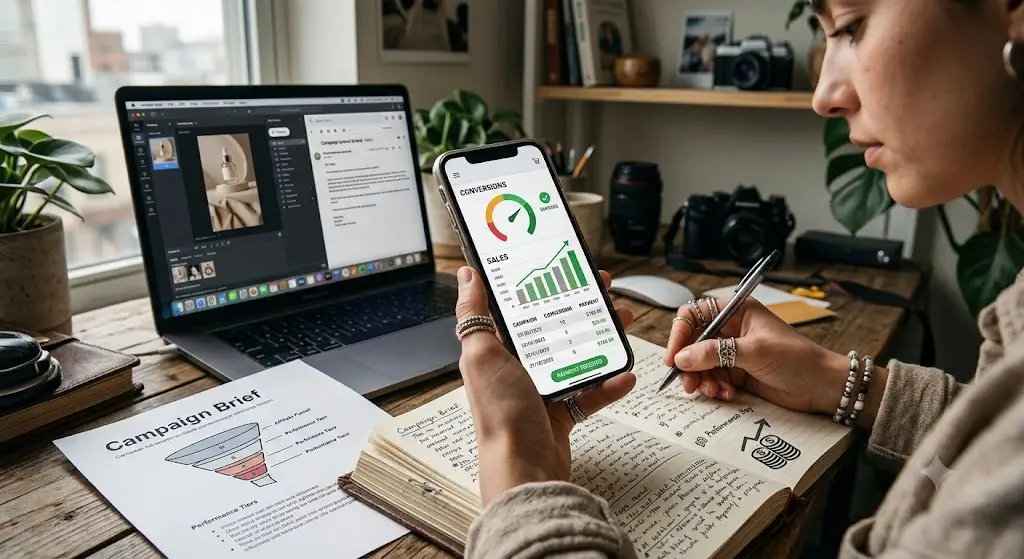
The most common mistake is bolting a performance clause onto an existing flat-fee deal as an afterthought. “We’ll pay you ₹X, plus a bonus if you hit Y views.” This sounds reasonable but solves nothing. The creator already has financial security from the base fee. The bonus feels like a lottery ticket, not a core income driver. Behavior doesn’t change.
A genuine performance-based structure requires the payment architecture to be performance-first from the start not performance-flavored. That means the discovery and vetting process has to happen before the deal is written, not after. You need to know, going in, whether a creator actually has the audience quality to generate real views. A creator with inflated follower counts anomalous follower spikes, follow/unfollow churn, or comment pods will absorb your performance budget and return nothing. The pay per view model won’t protect you if vetting didn’t happen first.
The Vetting Step Most Teams Skip
Before any performance deal is worth writing, you need honest engagement data. Not follower count. Not a media kit. Actual signal: comment-to-like ratio, meaningful comment rate versus repetitive comment detection, save and share rates, click-through from bio links. These are the engagement authenticity metrics that separate real audiences from manufactured ones.
Tracking readiness matters too, whether a creator will actually implement UTMs, use unique discount codes correctly, and tag content consistently. A performance-based deal that can’t be measured isn’t performance-based. It’s just a flat fee with more paperwork.
The Workflow That Makes It Work

Here’s what a functional performance-based campaign setup looks like, not the ideal version, but the version that actually ships without chaos.
- Define the metric before you talk to anyone. Views? Engagements? Conversions? The payment structure has to be anchored to a single primary metric you control and can verify independently. Don’t try to optimize for everything at once.
- Set your brand profile and filters first. On Influence, brands set up a profile defining goals, budget, and target audience before any creator outreach. Vague briefs produce vague creator matches, and vague creator matches produce vague results.
- Filter for verified creators in your niche and engagement tier. Influence’s Verified Influencer network lets brands search and filter across niches, regions, and engagement levels. Use this before anything else. A micro-influencer with 30,000 highly engaged followers in a specific niche will outperform a celebrity with 3 million followers on almost every performance metric that matters to a D2C brand.
- Use AI matching to find creators whose audience intent aligns. Influence’s AI-Powered Campaign Matching isn’t about finding creators who seem right; it’s about finding creators whose audience actually exhibits purchase intent signals: save and share rates, click-through from link stickers, prior affiliate redemptions.
- Set the workflow before outreach, not after. Most users on Creators Ville are live within 24 hours when the campaign workflow is configured before reaching out to creators. The ones who take weeks to launch are the ones who try to build the workflow and run outreach simultaneously.
- Monitor from a single dashboard throughout the campaign. Live Campaign Dashboards and Smart Analytics & Reports mean you’re not waiting until the campaign ends to see whether it’s working. If a particular creator or content format is underperforming midway through, you can redirect effort while budget still remains.
What the Data Actually Shows
The influencer marketing platform market was valued at $34.2 billion in 2025 and is projected to reach $116.2 billion by 2033, a 14.4% compound annual growth rate. That kind of sustained growth doesn’t happen in categories where spend isn’t producing returns. It happens when the model works, and brands reinvest.
Solid ROI tracking infrastructure is what converts a one-time win into a repeatable playbook. Without it, even a 3.8x result stays anecdotal. With it, you know exactly which creator type, which content format, and which audience segment produced the return, and you build the next campaign on that foundation instead of starting from scratch.
One Thing That Genuinely Doesn’t Work
Performance-based pay is not a silver bullet for a broken brief. A vague brief produces vague content. If the creator has no real guidance on what to say, or the campaign creative is left entirely to chance with no direction, no pay structure will fix the output. Performance models surface the problem faster; you’ll know within days that nothing is working. But they don’t prevent a bad brief from producing bad content.
The discipline of writing a clear brief, selecting genuinely aligned creators, and tracking results through a consistent system is what the pay model rewards. Skip that work, and a performance deal just guarantees you’ll fail faster. Which, honestly, is still better than paying a flat fee to fail slowly.
Creators Ville is trusted by 500+ brands across India running exactly this kind of structured, performance-first campaign. The infrastructure verified creators, AI matching, live dashboards, pay per view compensation exist because the flat-fee era taught the market an expensive lesson.
If you’re still writing flat-fee contracts, you’re subsidizing that lesson for someone else’s benefit.
Start your free Creators Ville trial and run your next campaign on a model where everyone gets paid for what actually happens.