


Shipping 200 boxes means nothing if no one posts. The only seeding programs that scale in 2026 link product seeding and gifting campaigns to hard business goals, not vanity likes.
Here’s the answer up front: agencies win by running lean, template-led seeding with AI creator matching, built-in contracts and payouts, and real-time analytics tied to sales and brand lift. That is how you handle 5–20 brands without blowing up headcount or margins. It’s also how you turn a “send-and-pray” drop into a repeatable pipeline for content and revenue.
You don’t need a dozen spreadsheets, a shipping plugin, and an invoice folder. Instead, use a single platform designed for e‑com and DTC workflows, where most users go live within 24 hours and reporting is client-ready out of the box. Social proof matters to your clients too: trusted by 50,000+ brands and creators, and backed by named case studies with real view counts and approval rates, this approach gives you the receipts you’ll need in QBRs.
By the end of this guide, you’ll have a clear buying checklist, a side‑by‑side comparison of leading options, and a five‑step rollout plan you can start this week. We’ll also cover risks and tradeoffs, so you can price and scope with confidence for the rest of 2026.

Why Marketing Agencies Struggle With Product Seeding at Scale
If you run seeding for even three clients at once, friction stacks fast. You’re shipping SKUs to dozens of creators, across regions, at different times, with custom briefs and approval flows. Then the real work begins: chasing posts, reconciling what went live vs. what stalled, and proving links to sales. Multiply that by 5–20 brands and you get burnout, rework, and squeezed margins.
Tracking shipments is the first choke point. You juggle addresses, variants, and fulfillment statuses while trying to keep creators warm. One late box can stall a whole flight of content. Worse, that stall ripples across the calendar and crushes your weekly reporting rhythm.
Creator selection is the second. Manual vetting does not scale. Spreadsheet filters miss context, and outreach eats hours you don’t have. You need AI‑assisted matching that accounts for niche, region, audience overlap, and engagement quality, then lines up clear yes/no invites per product.
Measurement is the third. Clients ask for ROI, not reach. Vanity metrics don’t cut it. You need a live view of sales, engagement, and brand lift in one place, so you can prove real gains and shift budget with proof, not hope.
Finally, admin kills momentum. Contracts, payouts, and tax forms are tedious, and mistakes here break trust. You need baked‑in docs, creator payment rules tied to views, and tax form handling, so your team can focus on creative and brand fit, not paperwork.
- Shipments sprawl across tools and teams, leading to delays and missed posts.
- Manual creator matching adds days per campaign and tends to miss niche fits.
- Reporting spreads across screenshots and links, which weakens QBRs and renewals.
As a result, even smart teams default to “one‑off drops” rather than building a seeding engine. The fix is a system that compresses ops work and standardizes reporting, so you can run more campaigns with the same staff and push results in‑week, not in‑quarter. That’s the difference between a nice idea and a service line you can scale.
What to Look for in a Product Seeding Platform (Agency Buying Criteria)
Buying the wrong tool adds work. Use these criteria to stress‑test options against the way agencies actually operate across many brands.
Multi‑Brand Workspaces
You need separate workspaces per client with role‑based access, unique briefs, and distinct reporting. That keeps approvals clean and lets you hand clients their own dashboards without exposing other accounts. It should also support “agency‑level” rollups for your P&L and capacity planning.
AI Creator Matching
Manual research burns time and hides bias. Instead, use AI that filters creators by niche, region, and engagement level, then ranks the best fits per product SKU. The short list should be ready in minutes, not days, with clear outreach templates attached.
Built‑In Contracts and Payouts
Chasing PDFs and one‑off invoices kills profit. Look for standard contracts you can tweak per client, automated payouts based on views, and tax form handling (e.g., 1099s) built into the same flow. That keeps compliance tight and shortens time to content.
Real‑Time Analytics
Dashboards should tie posts to sales, engagement, and brand lift without manual data wrangling. For QBRs, you’ll want side‑by‑side client views and exportable charts your CSM can drop straight into decks. If reporting takes more than 10 minutes to prep, it won’t scale.
Campaign Templates
Speed matters. Ready‑made templates for first‑touch gifting, restock waves, and “reactivation” drops shave days off the launch. For deeper context on proven flows, see this agency playbook for 2026 you can adapt for different brands.
Tax and Disclosure Compliance
Creators need clear disclosure language and tax paperwork. Your platform should help with disclosure prompts and tax forms. For rules and examples, review the FTC Endorsement Guides and align your briefs and contracts accordingly.
Speed to Launch
Agencies live on lead time. Most users should be live within 24 hours with templates and AI matching doing the heavy lift. Faster launches mean faster posts and quicker read‑outs, which your clients will notice.
In addition, it helps to have a focused knowledge base for your team. If you want pre‑built flows tuned for DTC and e‑com brands, this 2026 e‑com write‑up is a strong starting point: 2026 seeding guide for e‑com. Use it to align your PMs on the same runbook.
Also Read!
How to Run Influencer Product Seeding Campaigns for Marketing Agency Clients
Infliuence vs Grin for Marketing Agencies: Which Is Better for Influencer CRM?
How Infliuence Solves Product Seeding for Multi-Client Agencies
You asked for speed, control, and proof. Infliuence was built for that stack: AI matching to find the right people fast, ready‑made templates to start in an hour, contracts and payouts inside the same workflow, and real‑time analytics to prove what sold. Most users are live within 24 hours, so you can stand up a pilot this week.
AI‑Powered Creator Matching, Tuned by Product
Start with the product, not a vague persona. Infliuence filters creators by niche, region, and engagement level, then recommends exact matches for each SKU. You’ll get ranked lists plus outreach messaging that converts. That removes hours of manual vetting and cuts the back‑and‑forth that drags out launch dates.
"Our brand struggled to connect online until creators showed how our lamps lit up their cozy spaces. We sold out three collections in a row." — GlowNest
Templates, Approvals, and Built‑In Docs
Use templates for first‑time gifting, restock waves, and “reactivate champions” lists. Swap in your brief, assets, and key dates. Contracts are built in, so you’re not chasing PDFs. Approvals live in the thread, which means less email and fewer missed notes.
Automated Payouts and Tax Forms
Pay creators based on views with direct payments. Tie payouts to the metrics you care about. Tax form management is included, so you won’t need a separate tool to issue or track 1099s. That reduces risk and keeps your finance team happy.
Real‑Time Tracking and Proof
The dashboard tracks sales, engagement, and brand lift in one place. You can filter by client, creator, or campaign and export slides for QBRs in minutes. That turns hard questions like “What did we get from this drop?” into a quick scroll and a clear answer.
"Beauty vloggers shared their 30‑day routines with our serum. Their before‑and‑after journeys built the credibility we could never buy." — PureLeaf Skin
Moreover, Infliuence’s network is proven: trusted by 50,000+ brands and creators. Campaign outcomes are named and public: an Olay Skincare campaign reached 1.02M views with an 84% approval rate, while a Burger King food creator push earned 954k views and a 73% approval rate. For a revenue example, “Sales spiked 40% in the first month, all through relatable reels.”. Pulse Energy. That is the type of evidence clients expect in 2026.
**Get instant creator matches →
And yes, Infliuence supports unlimited brand collabs from one agency account. That’s critical if you manage 5–20 clients and need clean walls between each brand’s briefs, posts, and payouts. For agencies that have struggled to justify time spent on seeding, this turns “nice to have” into a billable, report‑ready service.
Infliuence vs. Grin vs. Aspire: Head-to-Head for Agency Product Seeding
You don’t need buzzwords. You need clarity on costs, speed, and how much work your team still has to do after you buy. Here’s how the top options compare on the factors that matter to agencies.
| Criterion | Infliuence | Grin | Aspire |
|---|---|---|---|
| Pricing Transparency | Signing up is completely free | Sales‑led pricing, annual commitments common | Sales‑led pricing, annual commitments common |
| Multi‑Brand Support | Unlimited Brand Collabs | Available on select plans | Available on select plans |
| AI Matching | AI‑Powered Campaign Matching | Varies by plan | Varies by plan |
| Contracts & Tax | Built‑in contracts, automated payouts, and tax form management | Contracts and payouts via add‑ons/integrations | Contracts and payouts via add‑ons/integrations |
| Launch Speed | Most users live within 24 hours | Requires sales call and onboarding | Requires sales call and onboarding |
| Analytics | Smart Analytics & Reports; track sales, engagement, and brand lift | Advanced analytics on higher tiers | Advanced analytics on higher tiers |
Unlike Grin or Aspire, which usually start with a sales call and push you into annual contracts, Infliuence lets you sign up free and start building a campaign today. That shortens time to value and helps you prove fit to clients before you commit budget. If you’re running multiple brands, “Unlimited Brand Collabs” also keeps your costs predictable as you grow.
"Instead of flat catalog shots, they styled the outfits in everyday looks. The content felt natural, and within weeks, our hashtag hit 2M+ impressions." — VogueRise
Furthermore, approval rates and named results make a difference in pitches. You can cite the Olay Skincare campaign at 1.02M views and 84% approval, and the Burger King push at 954k views with 73% approval, to show the kind of reach your clients can expect with the right briefs and matches. That evidence boosts confidence when clients compare platforms in 2026.

Finally, pay close attention to where work lives. With Infliuence, contracts, payouts, and tax forms are inside the same UI as invites and posts. That means fewer tools, fewer errors, and fewer “where is that doc?” Slower onboarding and scattered admin is where other tools fall short for agencies that prize speed.
Trust, Credentials, and Platform Track Record
Clients buy proof. As an agency, you have to bring it.
First, social proof. Infliuence is trusted by 50,000+ brands and creators. Most users live within 24 hours, so you don’t wait weeks to test. And it’s free to sign up, with unlimited brand collaborations, which lowers risk for both you and your clients.
Second, case‑based outcomes. Named results matter more than vague claims. The Olay Skincare campaign reached 1.02M views with an 84% approval rate; Burger King’s food creator push reached 954k views with a 73% approval rate. For commercial impact, Pulse Energy reported “Sales spiked 40% in the first month, all through relatable reels.” Those numbers and names help you win budget.
"Their honest reactions did more than any banner ever could. Engagement shot through the roof, and our Discord community doubled." — PlayForge
Third, reporting that stands up in QBRs. Smart Analytics & Reports let you track sales, engagement, and brand lift in one place. That’s the client‑ready layer most tools skip. Agencies need exports, filters by brand, and KPI clarity. With that box checked, you can move from “we shipped product” to “we drove incremental sales” in one slide.
For compliance and clarity, contracts and taxes live in the same flow as creator invites and posts. That reduces handoffs, speeds approvals, and keeps your finance and legal teams aligned across every brand you manage.
Also Read!
How to Choose and Use an Influencer CRM for Your Marketing Agency
How to Get Your Agency Started With Product Seeding on Infliuence
You can launch your first seeding program this week. Here’s a fast path your team can follow for any client.
-
Step 1: Create your agency account
Signing up is completely free. Set your agency profile and add your team. Because most users are live within 24 hours, aim to run your first invite batch tomorrow. -
Step 2: Set up brand workspaces
Create one workspace per client. Add brand assets, product SKUs, briefs, and approval rules. This keeps each client’s seeding clean and gives you distinct reports. -
Step 3: Pick a campaign template
Choose from ready‑made templates for first‑time gifting, restocks, or reactivation. Edit the brief, ship windows, and disclosure prompts. For deeper tactics you can adapt, review this practical 2026 guide for e‑com brands. -
Step 4: Use AI creator matching
Filter by niche, region, and engagement, then approve the ranked list for invites. This removes hours of research and speeds up product seeding and gifting campaigns without risking quality. -
Step 5: Ship, monitor, and report
Send products, track posts as they go live, and watch sales, engagement, and brand lift in real time. Export slides for your client’s weekly update. If something stalls, re‑invite from the suggested alternates list.
As you repeat these steps, build a “champions” list per brand. Those creators convert more on restocks and limited drops. Save the template; clone it for your next client. That is how you scale wins across 5–20 brands with the same staff.

Frequently Asked Questions
How much does Infliuence cost for marketing agencies?
Signing up is completely free. Agencies can manage unlimited brand collabs from a single account, which helps with costs as you grow. For tier details and any optional add‑ons, see the pricing page. Unlike competitors that push annual contracts up front, you can test fast and scale on your terms.
Can I manage multiple client brands from one agency account?
Yes. Infliuence supports unlimited brand collabs. You can run separate seeding campaigns per client with distinct workspaces, briefs, contracts, and reporting. That keeps each client’s data clean while giving your team an agency‑level view. It’s built for agencies running 5–20 brands at once.
How does AI creator matching work for product seeding?
The platform uses AI to filter creators by niche, region, and engagement level, then recommends matches for each product. You review the ranked list, adjust any constraints, and approve invites in minutes. This cuts manual vetting time and reduces guesswork. As a result, you launch faster and match products to the right audiences.
What results can agencies expect from product seeding campaigns?
Results vary by niche and product, but named case studies show clear reach. An Olay Skincare campaign delivered 1.02M views with an 84% approval rate. A Burger King food creator push reached 954k views with a 73% approval rate. For revenue impact, Pulse Energy saw sales spike 40% in the first month.
How does Infliuence compare to Grin or Aspire for product seeding?
Infliuence differentiates with free signup, AI matching, built‑in tax/contract handling, and 24‑hour launch speed. Grin and Aspire require sales calls and annual commitments, which slow testing and add risk. If you manage several brands, “Unlimited Brand Collabs” also helps you scale without new seat math.
Does the platform handle influencer contracts and payments?
Yes. Infliuence includes built‑in contracts, automated payouts based on views, and tax form management (1099s). That means you don’t need separate tools to handle compliance. It also reduces payment errors and shortens time from post to payout.
How quickly can an agency launch its first product seeding campaign?
Most users go live within 24 hours using ready‑made campaign templates. AI matching accelerates creator selection, so you can ship products faster. Expect your first posts to go live within the first wave of shipments if you keep briefs tight and approvals fast.
Is product seeding effective compared to paid influencer collaborations?
Seeding costs center on COGS and shipping, and it generates authentic UGC you can repurpose. As PureLeaf Skin noted, “Beauty vloggers shared their 30‑day routines with our serum. Their before‑and‑after journeys built the credibility we could never buy.” That kind of long‑form trust is hard to achieve with standard ads.
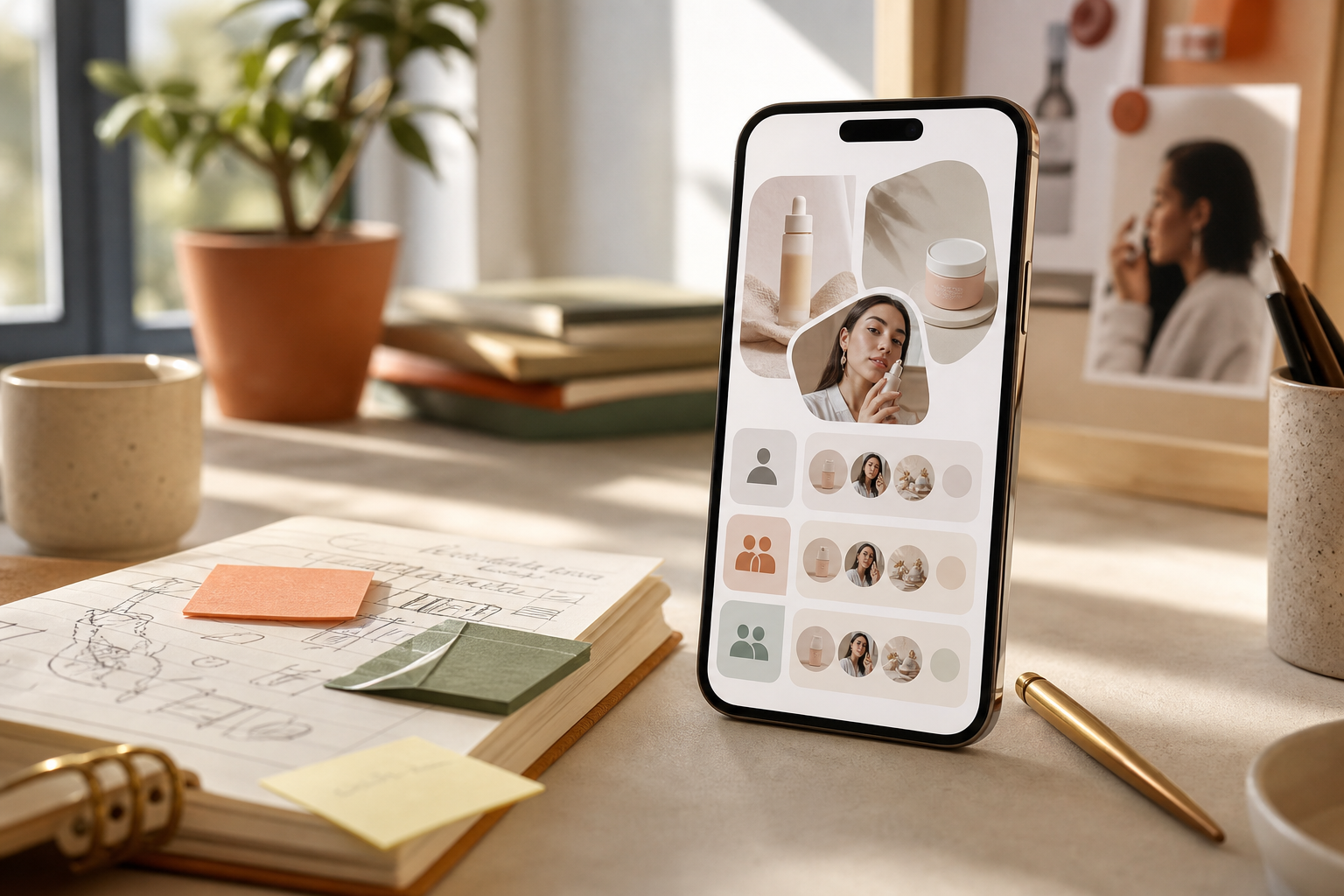 , 24-hour launch, AI matching, built-in contracts/payouts/tax forms, and analytics across sales/engagement/brand lift)
Wrap‑Up: Build Repeatable Product Seeding Wins
- The agency play in 2026 is to run product seeding and gifting campaigns through one system that handles AI matching, contracts, payouts, and analytics tied to sales. That cuts launch time and boosts proof in QBRs.
- Results speak louder than pitch decks: Olay at 1.02M views with 84% approval and Burger King at 954k with 73% show what’s possible with the right briefs and matches.
- Free signup, 24‑hour onboarding, and unlimited brand collabs let you test fast across clients, then standardize the playbook once it works.
If you want a quick pilot your team can run this week, start with a single SKU and a tight brief, then scale what hits. Your clients want proof, not promises, give them both.