


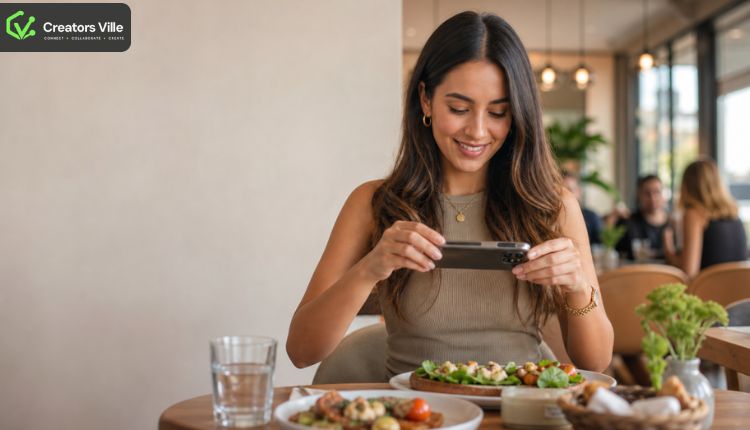
Influencer marketing has become one of the most effective ways for restaurants to attract new customers, build local buzz, and showcase their menu through authentic content. But generating likes and views is only part of the equation. To understand what actually drives reservations, orders, and revenue, restaurants need the right analytics tools. In this guide, we’ll explore the best influencer campaign analytics platforms for restaurants in 2026 and how they help measure real business impact beyond social media engagement.
Why Restaurants Struggle to Measure Influencer Campaign ROI
Food wins hearts on social, but foot traffic still pays your bills. That gap is why ROI feels slippery. A hot dumpling clip may spark 200,000 views and thousands of saves. However, if bookings came two nights later, a last-click model assigns zero credit. In short, your content worked, but your spreadsheet didn’t.
Second, coupon fatigue is real. Guests now expect 10% off codes from every foodie page. As a result, codes get shared, screenshotted, and reused. Worse, loyal guests may avoid codes to “support” you, which hides true impact. Therefore, code-only tracking undercounts actual sales and distorts creator performance.
Third, multi-location brands have compounding noise. One creator posts a burrito reel tagged at the city, not the store. Meanwhile, TikTok’s map points to the flagship. In addition, Google pins can be wrong by a block. Without clean location data, you can’t match spikes in visits to a single video.
Finally, viral food content and table bookings live on different clocks. For example, lunch specials convert fast, but a prix fixe tasting menu may need two touches plus a timely nudge. Therefore, one post might spark a save, a friend share, and then a Sunday reservation. If your model stops at clicks, you miss how content shapes dine-in intent over days.
The Attribution Hurdle
- Footfall happens offline while views live online.
- Codes and links skew toward deal seekers.
- Multi-location tagging blurs which store got the traffic.
- Dine-in decisions need time, so last-click is weak.
For a quick primer on why single-touch models fail, see Attribution (marketing) on Wikipedia. Then tailor that thinking to the path from phone screen to host stand.
“Experience one of its kind influencer marketing—connect with verified influencers, track real-time performance, and gain data-driven insights. No middlemen, no hidden fees.” — Creators Ville Customer
What to Look for in Restaurant Influencer Analytics Software
You want a tool you can open at 4 p. m. and know whether to extend happy hour.
Real-time dashboards let you react while the dinner line forms. Moreover, you need to connect story saves and comments to visits or reservations, not just hearts. If a creator’s pho reel moves 60 parties to your OpenTable link, that’s proof you can defend in a budget meeting.
In addition, engagement-to-visit attribution should combine link clicks, code use, and modeled lift from view-through. Specifically, look for per-post impact windows, so you can assign credit over 1–7 days based on your menu and check size. As a result, you stop overpaying for the last swipe-up.
Real-Time Dashboards
A fast dashboard means you can call an audible. For example, boost a post while it’s hot, or restock the dessert that’s trending in comments. In 2026, “I’ll check the report next week” is leaving money on the table.
Engagement-to-Visit Tracking
Tie comments, shares, and saves to in-store lift using a mix of links, codes, and modeled impact. Therefore, you see which dishes pull foot traffic, not just attention.
Content Approval Workflows
You need a clean path from brief to greenlight. Clear approvals prevent last-minute edits that delay posts until after brunch. Moreover, a simple workflow reduces back-and-forth and keeps creators on-brand.
Multi-Platform Coverage
Food lives on TikTok, Instagram, and YouTube. Your software should track across all three, including Shorts and Reels. As a result, you can spot where long-form chef stories beat short sizzle clips, or vice versa.
UGC Repurposing Rights
Make sure contracts cover reuse for ads and menus. Then run the top review as a local ad to lift weekday hits. In fact, UGC ads for food tend to feel more like a friend’s tip than a brand push, which drives cheaper clicks.
Automated Creator Payments
Pay on time and by results. For example, set payouts based on views or approved posts. This saves hours and builds trust with local foodies who will gladly come back for your next launch.
Use these filters as you compare platforms. And yes, press any vendor to show how their influencer campaign analytics and roi tracking will tie a single reel to real-world sales, not just a reach chart.
Also Read!
Best AI Influencer Matching for E-commerce Brands in 2026
How to Track Influencer Campaign Analytics for E-Commerce Brands
How Creators Ville Tracks and Optimizes Restaurant Influencer Campaigns
Creators Ville combines discovery, workflows, and measurement in one place. First, AI creator matching finds the right food voices in your metro area. Search by niche (ramen, barbecue, plant-based), region, and engagement. As a result, you start with fit, not a random list. Then, ready-made templates help you launch a product seeding round or a paid collab fast.
Second, real-time performance tracking and analytics show what’s working today, not last month. You can track sales, engagement, and brand lift in one place. Moreover, per-post views, saves, and comments roll up to a simple ROI view you can share with your GM. If a creator’s dumpling post drives a spike between 6–9 p. m., you can staff up the line.
Third, Creators Ville uses approval workflows and built-in contracts to keep content moving. Draft briefs, request edits, and mark posts “approved” in a few clicks. Automated payouts and tax form management mean finance won’t chase 1099s in Q1. Therefore, your team spends more time on menus and less on paperwork.
“Our brand struggled to connect online until creators showed how our lamps lit up their cozy spaces. We sold out three collections in a row.” — GlowNest
Now, results. The Burger King Food Creator Campaign achieved 954k views and a 73% approval rate. That kind of reach matters when you’re launching a special or shifting perception on a new menu item. With smart analytics, you can map that engagement to an uplift window and see where store visits rose.
Built for Speed and Clarity
- AI creator matching for food niches and local reach
- Ready-made templates for quick campaign launches
- Real-time dashboards for lunch and dinner decisions
- Unified view of sales, engagement, and brand lift
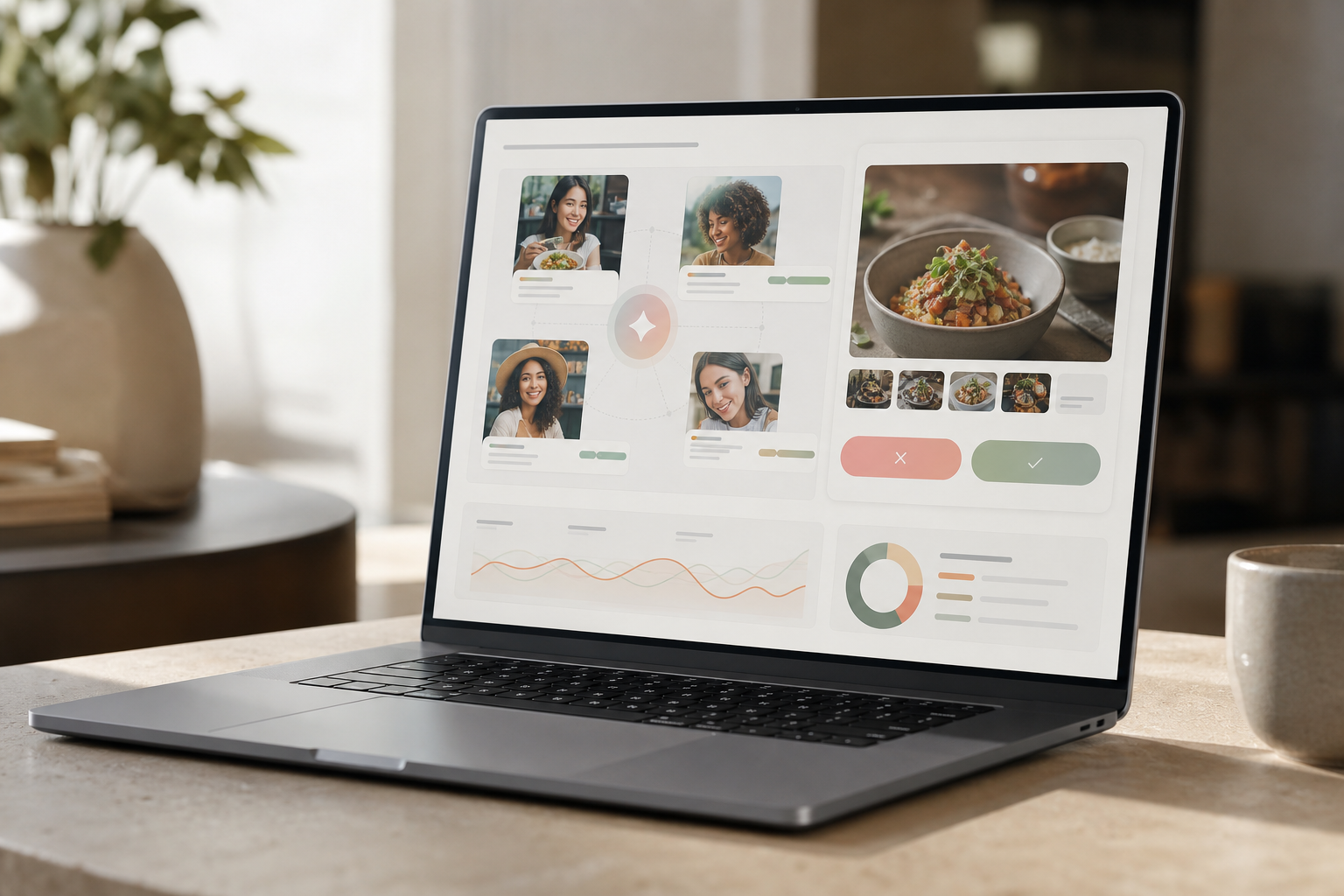
Unlike general-purpose tools, Creators Ville was designed to manage workflows and money too. Built-in contracts, automated payouts, and tax form management remove a full layer of admin. Compared to alternatives that focus on e‑commerce shipping flows, this saves restaurants from tool sprawl. And because signing up is completely free, you can test the fit without risk.
**Get instant campaign analytics →
If you already manage creators elsewhere, try Creators Ville for analytics and ROI clarity on one pilot. Use the same posts, then compare reports. You’ll see how influencer campaign analytics and roi tracking feels when sales, engagement, and brand lift live on one screen. If the results beat your current setup, you can shift more campaigns with confidence.
Trust, Credentials, and Proven Restaurant Results
You want proof, not promises. Creators Ville is trusted by 50,000+ brands and creators, with high-end restaurants and hospitality listed as a supported segment. That matters, because food content moves fast and needs tools built for the pace of service. Moreover, most users are live within 24 hours, which makes testing a low-risk move.
On outcomes, the Burger King Food Creator Campaign achieved 954k views and a 73% approval rate. That’s the kind of scale that can move brand lift city by city. Cross-industry wins also build confidence in measurement.
”. Pulse Energy. While that’s not a restaurant, it shows the analytics accuracy holds when content meets intent.
In addition, Creators Ville’s built-in contracts and automated payouts keep creator relationships strong. As a result, more creators want to work with you, which expands reach and cuts time-to-post for launches. And because signing up is completely free, you can validate the fit before you commit. For teams focused on influencer campaign analytics and roi tracking, those trust signals reduce the guesswork.
Also Read!
Creators Ville vs Grin for E-Commerce Brands: Which Is Better for Influencer Campaign Analytics?
Best Influencer Campaign Analytics for E-Commerce Brands in 2026
How to Get Started Tracking Your Restaurant’s Influencer Campaigns
You can go from zero to your first report in days. Here’s a simple plan built for a single spot or a regional group. Keep the brief tight, pick near-term dishes, and measure what moves seats.
Step-by-Step Launch (24 Hours to Live)
- Sign up free and create your restaurant profile.
- Use AI matching to find local food creators by niche and city.
- Choose a template: product seeding for tastings or a paid collab.
- Approve concepts, set tracking links/codes, and lock content rights.
- Launch posts, then read your first real-time analytics report.
Moreover, start with one dish that photographs well and a clear CTA to book or visit. For example, “Show this reel for a free dessert with any two entrées.” Then compare pre/post visit curves over three days. As results come in, tag content that drove saves and comments. Therefore, you learn which creators push spontaneous walk-ins versus planned reservations.
Finally, bring the front-of-house team in. Share the links and codes during pre-shift. If your host sees guests walk in saying “I saw the truffle gnocchi on TikTok,” log it. Small notes paired with influencer campaign analytics and roi tracking turn anecdotes into data you can trust.
**[Compare pricing, no commitment →] Free signup, 2) AI match list of local food creators, 3) Content approval screen, 4) Real-time reservations and visits chart; bright, friendly style)
Frequently Asked Questions
How much does influencer campaign analytics software cost for a restaurant?
Creators Ville offers free signup with no hidden fees, so you can start without a budget meeting. Competitors usually charge monthly platform fees, which can add up as you scale. Starting free lets you test a real campaign and judge value before you pay. If you need advanced features later, you can scale as needed.
Can influencer analytics actually track foot traffic to my restaurant?
Yes. Platforms like Creators Ville track engagement, views, and sales conversions in one dashboard. Pair the dashboard with unique promo codes or reservation links to close the foot-traffic attribution loop. As a result, you can see which creators and posts pulled visits, not just clicks.
How accurate is AI creator matching for finding local food influencers?
Creators Ville’s AI matching filters by niche, region, and engagement level. You can target food creators in your metro area instead of digging through generic databases. In addition, you can review past content to confirm fit and brand safety. That mix raises the odds that the first post lands.
What metrics should a restaurant track in an influencer campaign?
Focus on views, engagement rate, coupon redemptions, reservation clicks, and cost-per-view. In addition, track saves and shares, because those predict visits within a few days. Creators Ville consolidates sales, engagement, and brand lift in a single dashboard for easy comparison. That clarity makes budget talks far less painful.
How does Creators Ville compare to Grin or Aspire for restaurant use cases?
Creators Ville lists restaurants and hospitality as a target segment, which means templates and reports fit dining. Signing up is completely free, and most users are live within 24 hours. Grin and Aspire focus more on e‑commerce shipping and catalog flows. If you need fast local reach and clean ROI for dine-in, Creators Ville is built for that.
Can I reuse influencer content for my restaurant’s social media ads?
Yes. Creators Ville supports using UGC for social campaigns. Built-in contracts clarify content rights so you can repurpose food creator videos for paid ads with higher ROI. As a result, your top review can double as a local ad by dinner.
How long does it take to set up and see first analytics results?
Most Creators Ville users are live within 24 hours. With ready-made campaign templates, you can launch your first collab and see real-time performance data the same week. That speed helps you act on what’s working while the post is still trending.
Is Creators Ville only for large restaurant chains, or can single-location spots use it?
Both. The platform serves high-end restaurants and multi-location brands alike. Free signup and template-based launches make it accessible for independent restaurants with tight budgets. If you grow to more stores, location-aware tracking scales with you.
Final Takeaways
- Tie content to visits. Track clicks, codes, and modeled lift so you see the full path to your host stand.
- Build for speed. Real-time analytics and 24-hour go-live windows let you act while posts trend in 2026.
- Choose tools that fit dining. Creators Ville brings AI creator matching, approvals, payouts, and sales/engagement/brand-lift in one place.
If you’re ready to turn mouthwatering posts into measurable covers, run one pilot and judge the results yourself.