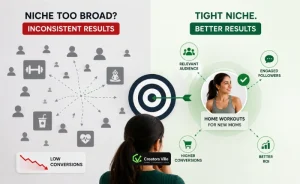
Niche Too Broad? How It Tanks Influencer Campaigns
Most influencer campaigns don’t fail at the reporting stage. They fail at the brief stage — quietly, before a single creator has agreed to post.



Most influencer campaigns don’t fail at the reporting stage. They fail at the brief stage — quietly, before a single creator has agreed to post.
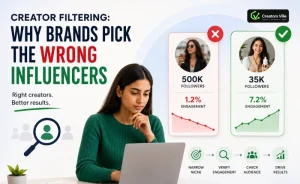
Follower count is the most expensive number in influencer marketing. Brands filter on it first, weight it hardest, and then wonder why a creator with
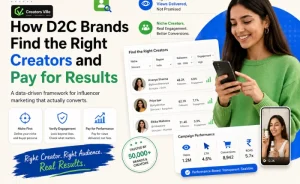
Most D2C marketing teams are still negotiating flat fees with large-follower creators — paying for reach they can’t verify, into audiences they haven’t mapped to
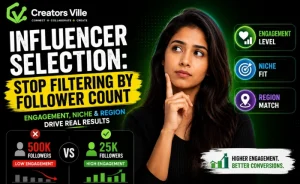
Niche creators who align with brand values drive 47% higher engagement and nearly double the conversion rate compared to mass-reach influencers. Yet the first thing
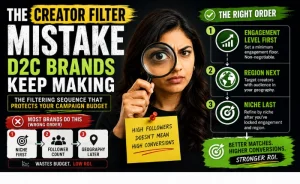
The global influencer marketing industry crossed $33 billion in 2025, up from $21.1 billion just two years earlier — and in 2026, that money is

Most influencer campaigns don’t fail at execution. They fail in the 72 hours before a single creator is contacted — because the brand started outreach
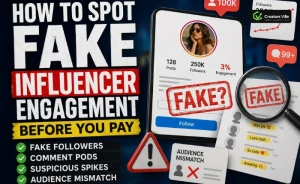
A 3% engagement rate is a misleading headline metric if the audience falls outside your buyer persona or price sensitivity band — which it often
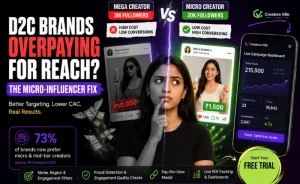
D2C brands already carry steep acquisition costs before a single influencer fee enters the picture. Paying $10,000 for one post from a creator with three

Most brands lose money on influencer marketing before the campaign even starts. The moment they wire a flat fee to a creator — before a
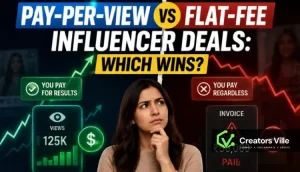
Most brands waste a third of their influencer budget before a single view comes in. That’s not pessimism — it’s what the numbers show when